



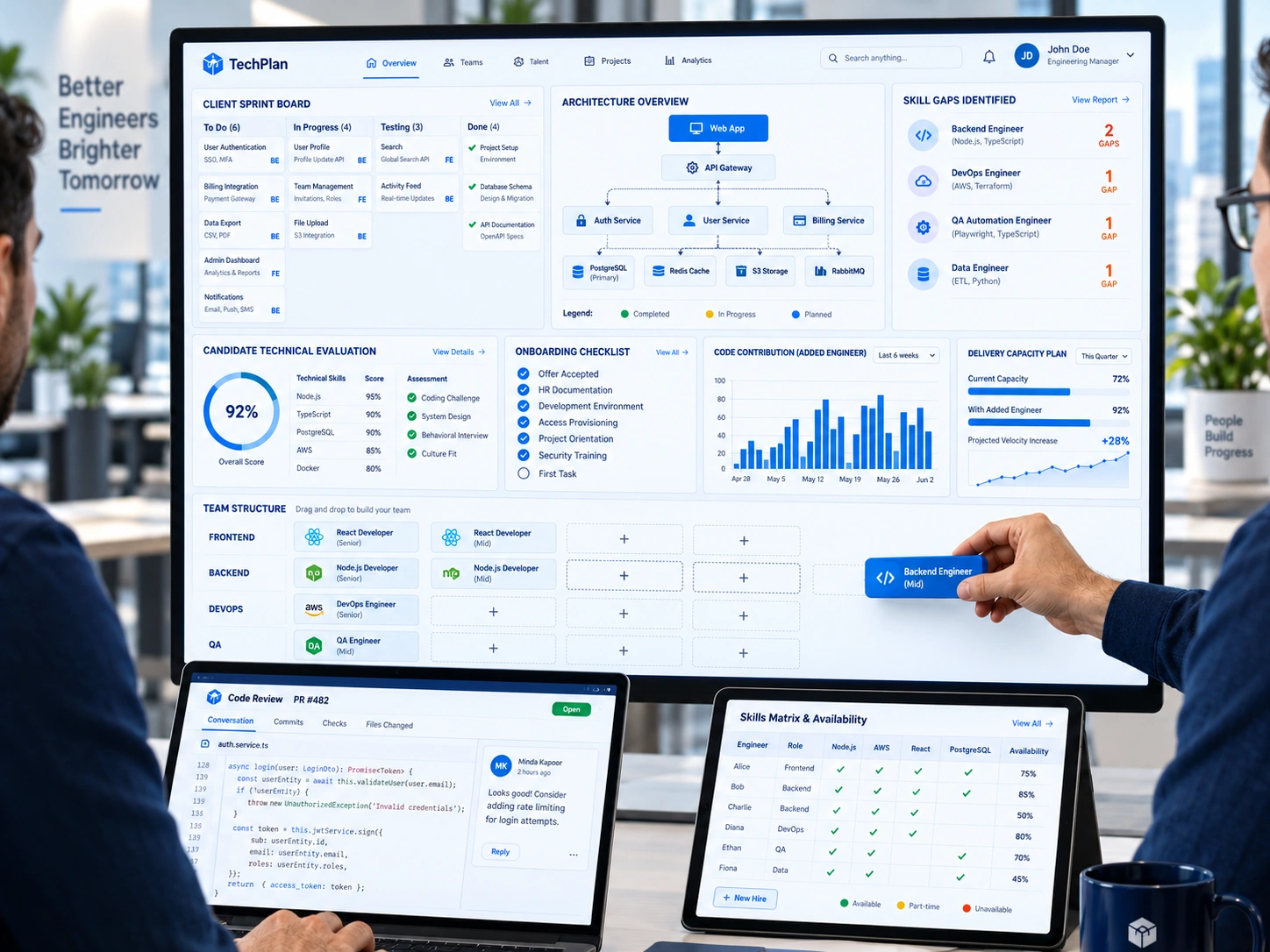
Scale your product team with experienced technology talent that integrates quickly and delivers reliably.
AppsLoading helps startups, agencies and enterprises extend engineering capacity with dedicated developers, remote product teams and offshore delivery support. We provide frontend, backend, mobile, cloud, DevOps, QA and UI/UX specialists aligned to your roadmap, tools, time zone and delivery model.
Your roadmap rarely slows because the ideas disappear. It slows when the right skills are missing at the right time.
Hiring delays, specialist gaps, release pressure and overloaded internal teams create bottlenecks long before they appear on a project plan. Staff augmentation works best when it removes those constraints without creating a second operating system beside your own.
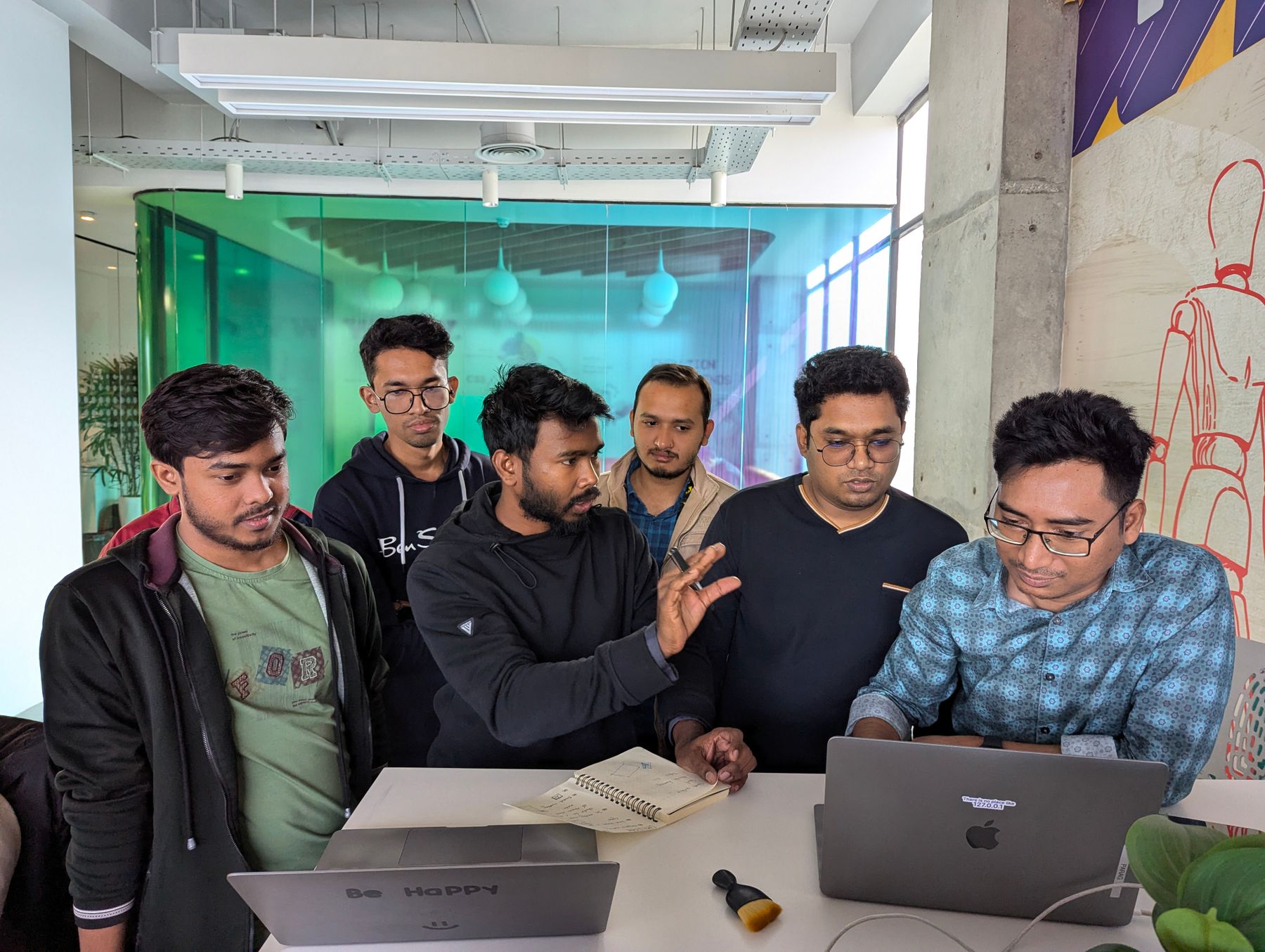

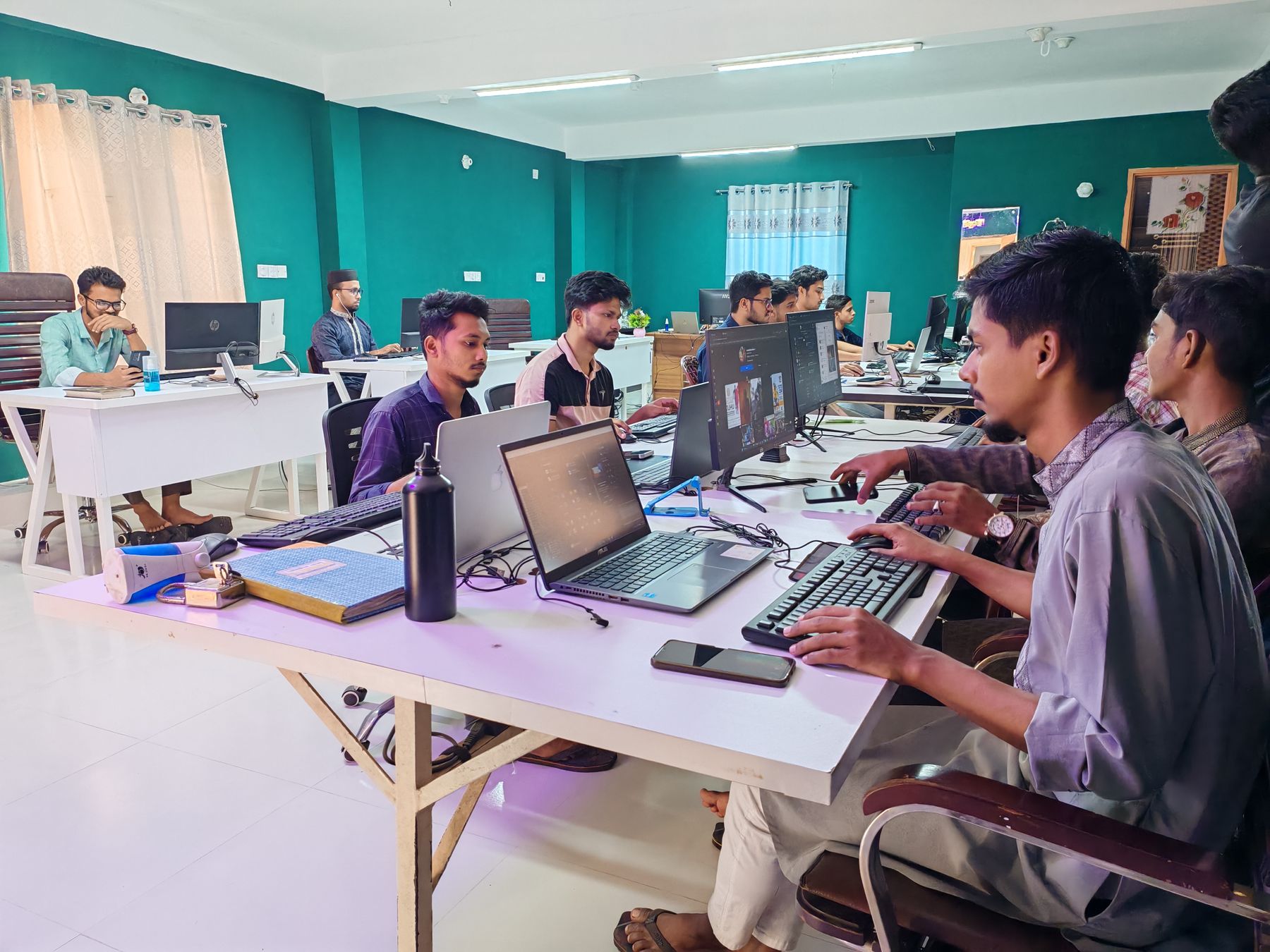
Build the team around the work that must move next.
Start with the roadmap, not a generic role list. We shape the mix of product, engineering, cloud, quality and design around what the next delivery phase actually requires.
Choose individual specialists, embedded engineers or a complete squad.
Flexible talent models for capacity, specialization and continuity.
Add one engineer, extend a team, stand up a product squad or build a long-term offshore development unit.

Dedicated Developers
Full-time engineers aligned exclusively to your roadmap, tools and delivery priorities.
Full-time · Dedicated
Remote Development Teams
Extend your internal team with frontend, backend, mobile, cloud and QA specialists.
Remote · Team Extension
Product Squads
Developers, QA, DevOps, designers and delivery support working as one product stream.
Squad · Product Team
Offshore Development Centers
Build a scalable long-term engineering unit with governance and knowledge retention.
ODC · Long-term
Specialist Technology Hiring
Add focused expertise across cloud, DevOps, data, mobile, QA and enterprise platforms.
Specialist · Skills
Delivery Capacity Expansion
Increase engineering throughput around launches, migrations, redesigns and growth phases.
Capacity · Scale
Replacement & Continuity
Protect delivery through structured handover, replacement and knowledge transfer.
Continuity · Replacement
Agency & Partner Augmentation
White-label engineering capacity for agencies, consultancies and technology partners.
Agency · White-labelChoose an operating model that matches ownership, duration and delivery pressure.
Commercial structure matters less than whether the model matches how work is planned, reviewed and owned. We define the shape before profiles are introduced.
Full-time developer
Dedicated monthly capacity for continuous work.
Best for ongoing roadmap ownershipPart-time specialist
Focused senior expertise for selected milestones.
Best for architecture or niche skillsEmbedded engineers
Multiple specialists inside your current squad structure.
Best for team extensionDedicated squad
Cross-functional ownership of a defined product stream.
Best for parallel deliveryOffshore center
Long-term capacity with governance and scaling.
Best for sustained expansion

Profiles are useful only when the role fit is proven.
Technical skill is only one part of the match. We also look at product context, seniority, communication, ownership and the way your team actually ships.

Good augmentation removes management overhead instead of creating more.
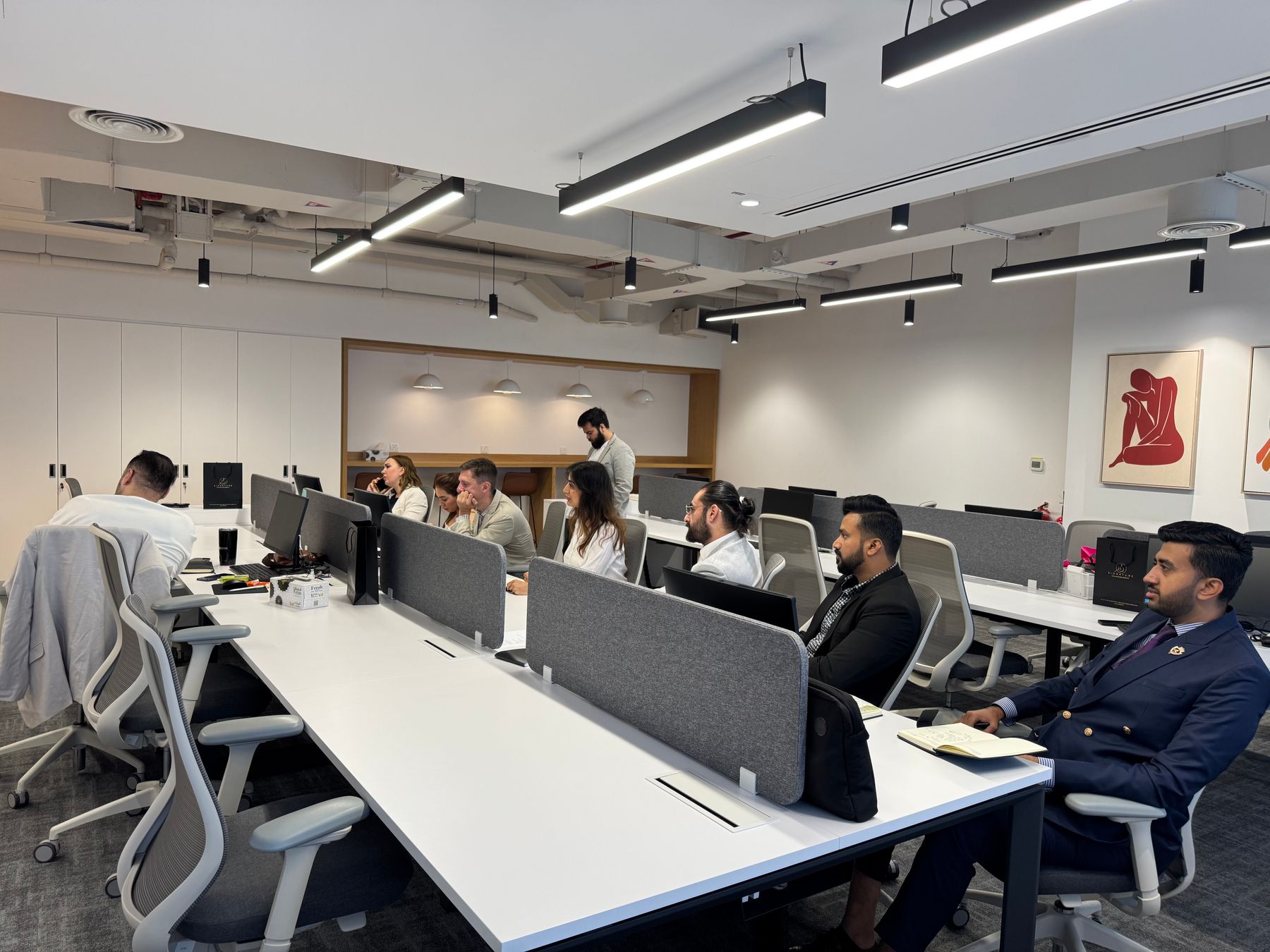
Scale from one specialist to a complete product stream.
Common team shapes can be adjusted around product stage, architecture, release pressure and internal ownership.
2–4 people
Senior full-stack engineer, frontend/mobile specialist, QA support and optional product design.

5–8 people
Frontend, backend, mobile, QA, DevOps and design aligned to one roadmap stream.

8+ people
Multiple engineering disciplines with technical leadership, QA automation and cloud ownership.
Onboarding is designed to reach productive contribution quickly without skipping context.
Speed matters, but rushed access without product understanding creates rework. We sequence product context, repositories, environments, standards and delivery ownership.

Access & context
Repositories, tools, environments, product goals, architecture and key stakeholders.
Guided contribution
Small scoped tasks, code reviews, documentation and pairing with internal owners.
Sprint ownership
Take responsibility for defined stories, testing and communication.
Normal team velocity
Operate inside regular planning, review and release expectations.


Remote delivery works when overlap and communication are intentional.
We define the overlap window, meeting rhythm, documentation expectations and response norms before onboarding. The goal is not to maximize meetings; it is to make decisions, blockers and ownership visible.
Build long-term engineering capacity without creating a disconnected remote branch.
An ODC should preserve standards, product knowledge and delivery visibility as it grows. We structure roles, leadership, reporting, onboarding, access and continuity around the client’s existing operating model.

Add delivery capacity without changing the client experience.
Agencies and consultancies can use AppsLoading as an embedded delivery partner for specialist roles, overflow work or complete engineering execution.
Operate inside your client process and communication model where required.
Add capacity for launches and project peaks without permanent hiring overhead.
Bring in mobile, cloud, QA, DevOps or backend expertise for targeted needs.
Use consistent engineers and handover practices across client work.


Capacity can be flexible. Ownership and access cannot be vague.
External team members work within explicit security, confidentiality and ownership boundaries from day one.
NDA & confidentiality
Commercial and technical information is protected through agreed terms.
IP ownership
Approved work product ownership is defined in the engagement.
Least-privilege access
Repository, cloud and system permissions follow your access model.
Code review
Changes follow your engineering standards and review gates.
Offboarding
Access removal and handover are built into transition planning.
Performance visibility
Role fit, delivery progress and communication remain reviewable.
Replacement should protect the roadmap, not restart the project.
Continuity depends on documented context, shared repositories, visible decisions and planned handovers. We design these habits into the engagement before a replacement is ever needed.


Real team shapes for different delivery constraints.
These examples use the existing imagery from this Staff Augmentation page because the visuals already match the service context.
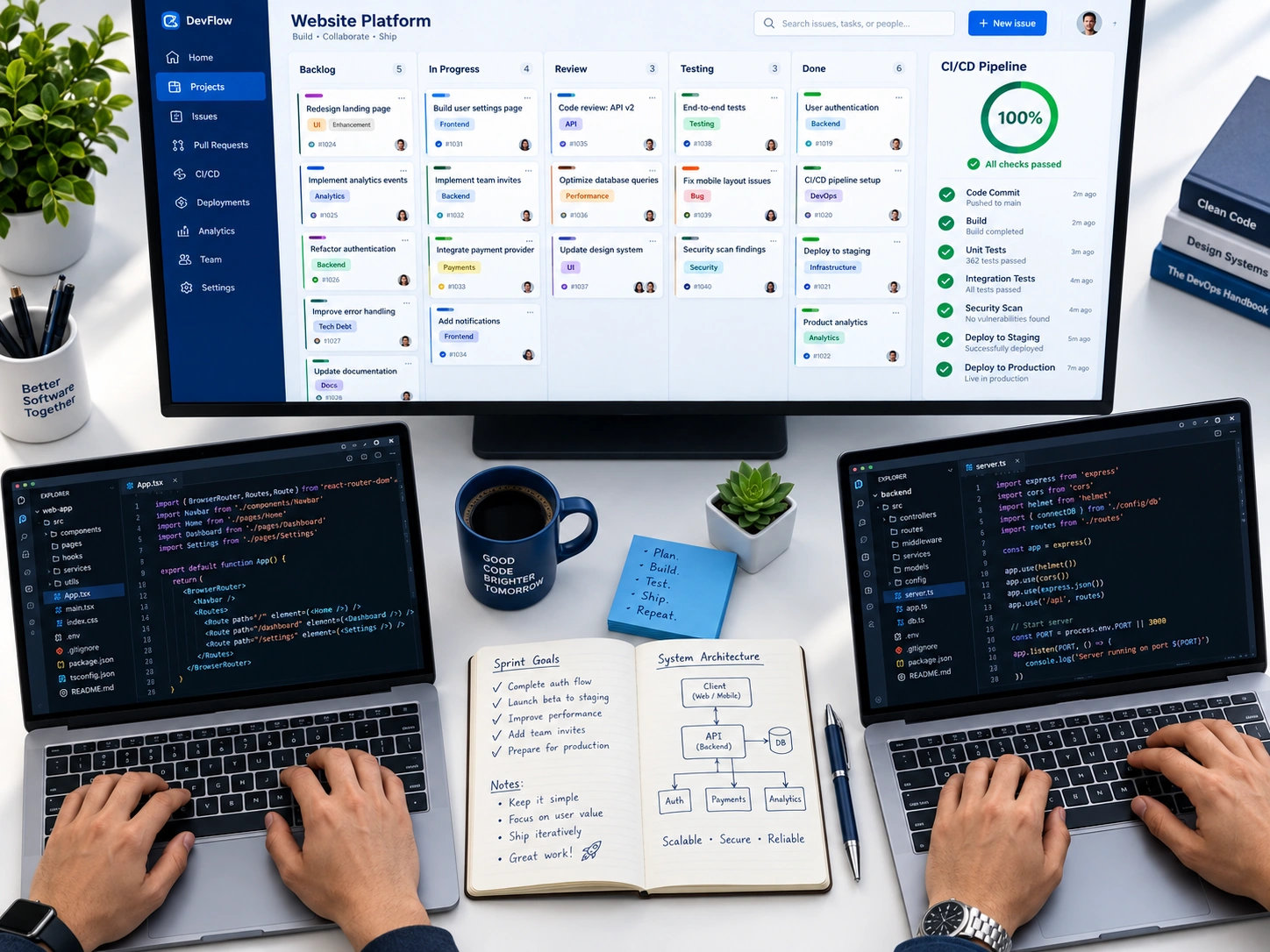
Dedicated squad for product growth
Frontend, backend, QA and DevOps integrated into the client sprint process.
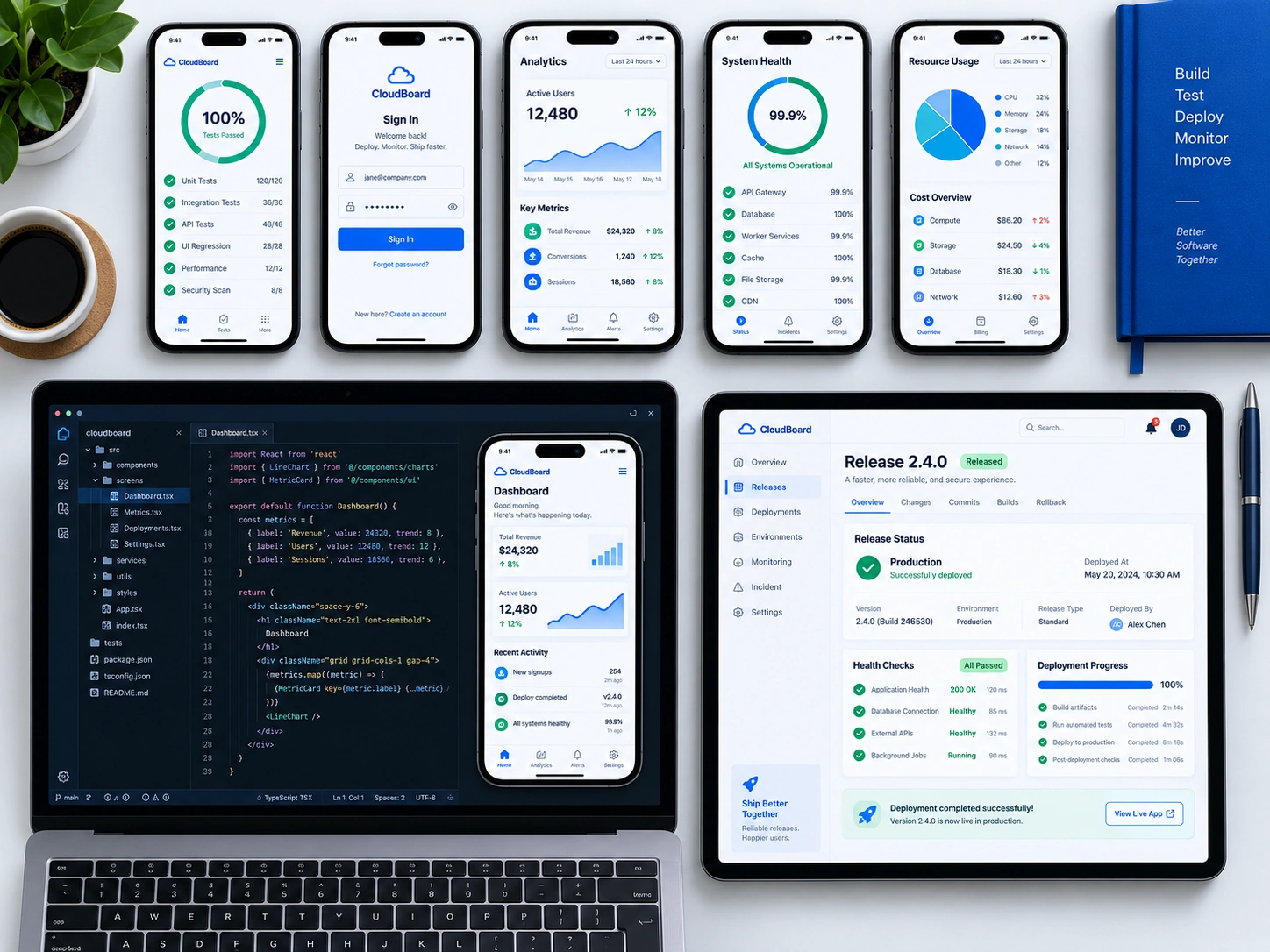
iOS and Android specialists added rapidly
Specialists joined an existing roadmap to increase release velocity.
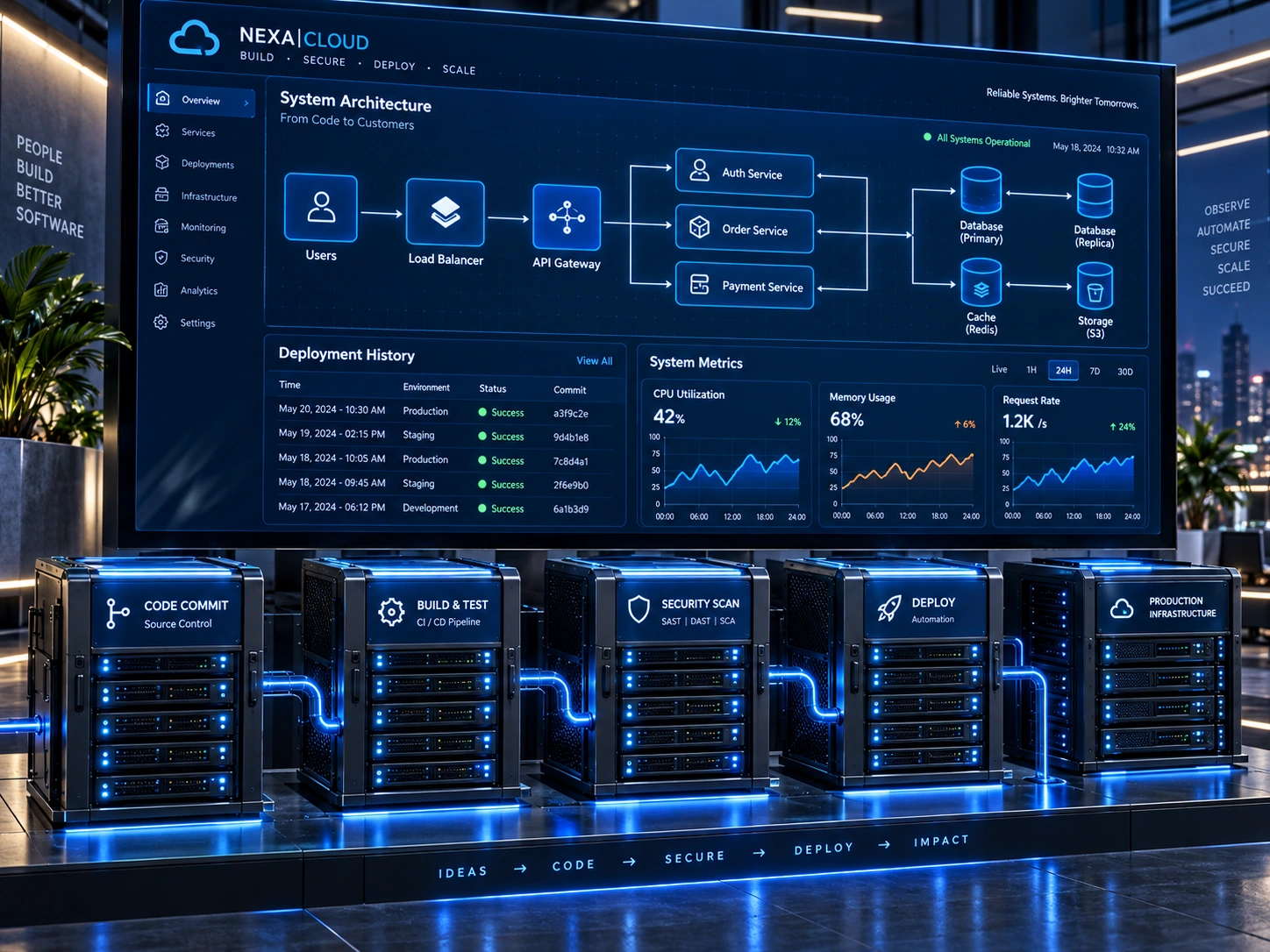
Platform engineering support for scaling
Infrastructure automation, CI/CD, monitoring and release reliability.
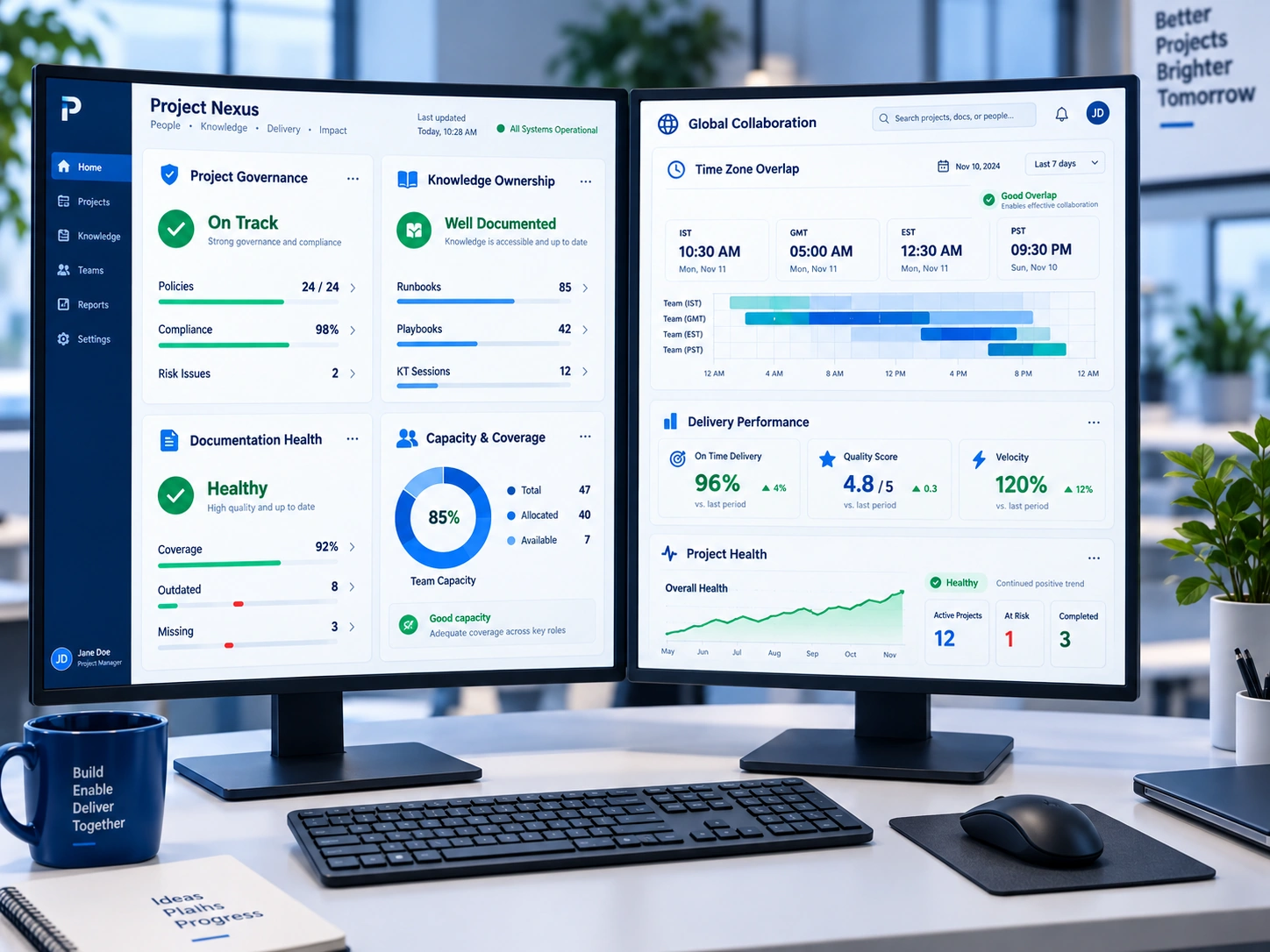
Long-term unit for enterprise delivery
Dedicated governance, scaling, knowledge retention and reporting.
Faster capacity without sacrificing delivery control.
Staff augmentation is useful when it shortens the path from roadmap need to productive engineering contribution.
Talent across modern product, mobile, cloud and enterprise stacks.
Team composition follows the technologies already in your environment and the capabilities required by the roadmap.
React
Web products, dashboards and design systems.
Node.js
APIs, services and event-driven backends.
Python
Backend, data, automation and AI-enabled systems.
Java
Enterprise platforms and service architectures.
.NET
Microsoft-stack enterprise applications and APIs.
Flutter
Cross-platform mobile product engineering.
AWS
Cloud architecture, DevOps and platform delivery.
Kubernetes
Container platforms and cloud-native operations.
Flexible teams for businesses where technology capacity drives growth.
Staff augmentation can support product delivery, client work, platform scaling, modernization and operational technology programmes.

SaaS & software products
Roadmap squads, integrations, platform scaling and continuous product development.

Enterprise transformation
Modernization, cloud migration, internal platforms and specialist delivery capacity.

Agencies & consultancies
White-label engineering and specialist roles for client delivery.

Startups & scale-ups
Fast capacity expansion without waiting for long permanent-hiring cycles.
From requirement to productive team integration.
A structured sequence keeps profile selection, evaluation, access and role ownership visible.
Define
Roles, skills, seniority, team size, duration and time-zone needs.
RequirementMatch
Shortlist profiles aligned with technical and product context.
Talent MatchingEvaluate
Technical discussion, interview and communication-fit review.
SelectionOnboard
Access, tools, product context and sprint integration.
IntegrationOperate
Delivery, reviews, reporting and feedback inside your process.
ExecutionScale
Adjust team size and skills as roadmap needs change.
ContinuityA staffing model your team can operate, measure and scale.
The engagement is more than a set of CVs. It includes operating rules, onboarding, delivery visibility and continuity practices.
Role and skill blueprint
Recommended roles, seniority, capability mix and team shape.
Shortlisted profiles
Relevant engineers matched against the actual delivery requirement.
Onboarding plan
Access, context, repositories, environments and collaboration setup.
Working agreement
Overlap hours, ceremonies, reporting and response expectations.
Performance review model
Role expectations, delivery feedback and fit checkpoints.
Continuity plan
Documentation, handover and replacement support if team composition changes.
Staff augmentation that feels like an extension of your own product team.
We focus on role fit, communication, delivery discipline and continuity rather than simply filling a seat.

Team cost depends on more than the number of people.
Seniority, role mix, duration, overlap hours and operating expectations all influence the engagement.
Role mix
Frontend, backend, mobile, cloud, QA and design have different market profiles.
Seniority
Senior specialists and technical leads carry broader decision responsibility.
Team size
One specialist, embedded team or full squad changes coordination needs.
Duration
Short-term specialist needs differ from long-term dedicated capacity.
Time-zone overlap
Required working windows shape staffing availability.
Governance
Dedicated leadership, reporting and ODC structures add operating scope.
What is IT staff augmentation?
IT staff augmentation allows a company to add external technology professionals to its existing team for a defined skill requirement, period or roadmap.
Can I hire one developer or a complete team?
Yes. You can engage one specialist, several engineers or a complete cross-functional product squad.
What engagement models are available?
Models can include full-time developers, part-time specialists, embedded teams, dedicated squads and offshore development centers.
How are developer profiles selected?
Profiles are matched against technology, seniority, product experience, communication needs and the expected delivery environment.
Can we interview developers before onboarding?
Yes. You can review profiles, conduct technical discussions and assess role fit before engagement.
Can you provide niche technology specialists?
Yes. Requirements can include cloud, DevOps, data, mobile, automation, QA and enterprise technology specialists.
How quickly can developers join?
Onboarding depends on skill availability and interview requirements. Suitable profiles can be introduced once the role and evaluation process are clear.
Will developers work in our tools and process?
Yes. Engineers can work within your repositories, communication tools, sprint process, documentation and reporting model.
Can developers overlap with our time zone?
Yes. Time-zone overlap and working-hour expectations can be defined during requirement planning.
Who owns the source code and intellectual property?
The client retains ownership of approved work product according to the signed engagement and confidentiality terms.
Do you sign NDAs?
Yes. NDA, confidentiality, IP and access-control terms can be established before onboarding.
Can developers work inside our cloud and repositories?
Yes. Access can be provided through your existing security, repository and permission model.
What happens if a developer needs to be replaced?
AppsLoading supports structured replacement and knowledge transfer to reduce disruption to the project.
Can team size change during the engagement?
Yes. Capacity can be adjusted based on roadmap, workload and agreed commercial terms.
How is performance reviewed?
Performance can be reviewed through delivery progress, communication, quality, role expectations and stakeholder feedback.
Add experienced technology talent without slowing down your roadmap.
Share the roles, skills, seniority and delivery goals you need. We will recommend a practical team structure and onboarding model.
Build your team →