



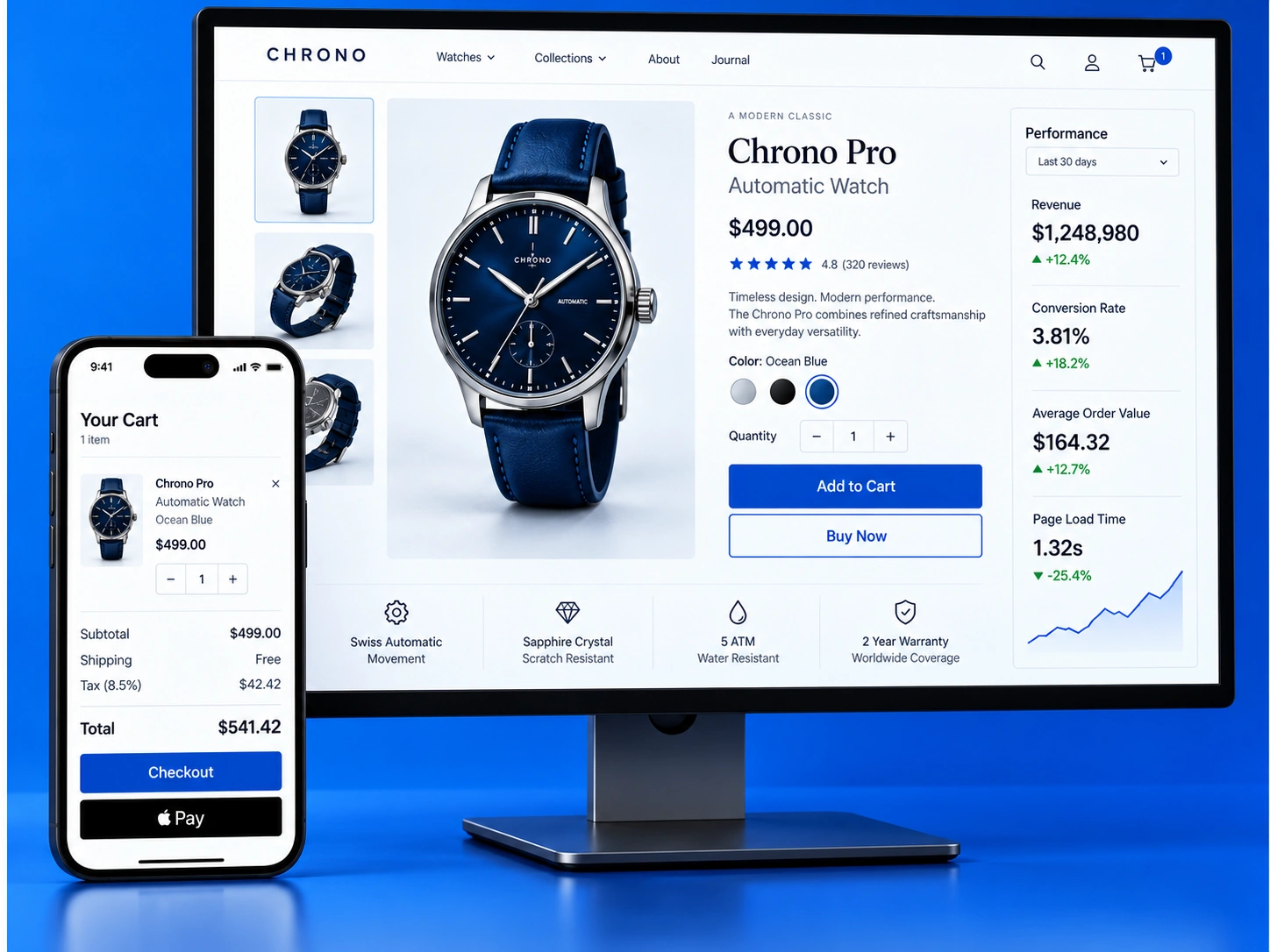
MULTI-CHANNEL DELIVERY
AppsLoading designs Headless CMS platforms for structured content, modern frontends and multi-channel delivery. We plan content models, editor workflows, APIs, previews, integrations, migration, SEO and production operations across Contentful, Strapi, Sanity, Storyblok and Headless WordPress.
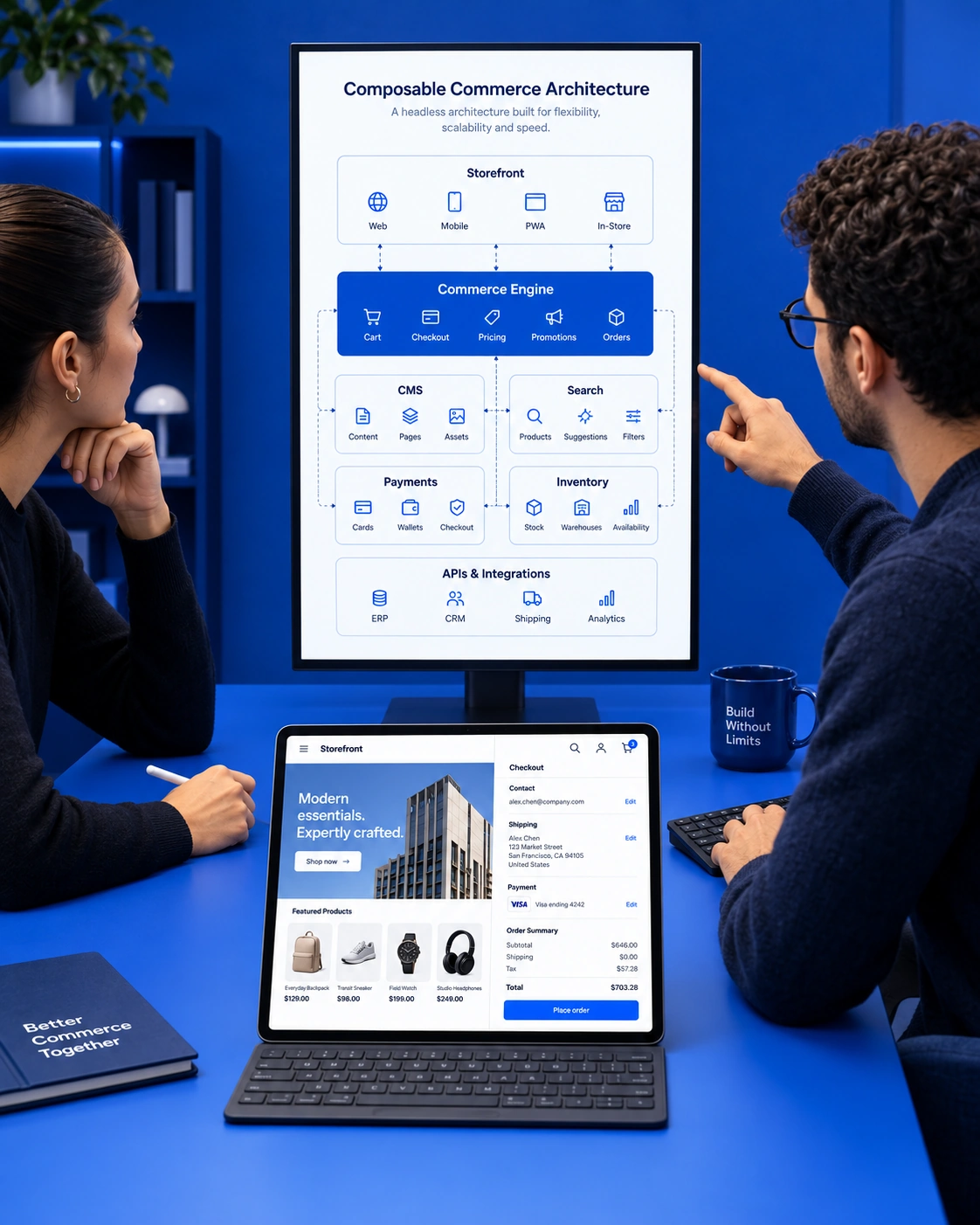
A Headless CMS creates value when content must travel across multiple experiences, editors need governed workflows, and frontend teams need independent release velocity. For a simple brochure website, a traditional CMS can still be the better decision.
Web, mobile, portal, commerce, in-product and regional experiences should reuse structured source content.
Experience teams need framework freedom without disrupting editorial operations.
Roles, approvals, environments, localisation and reuse need a clearer operating model.
Search, commerce, DAM, CRM, PIM, analytics and personalisation must work around a shared content layer.
Contentful, Strapi, Sanity, Storyblok and Headless WordPress can all support API-driven experiences, but their operating models are different. The best choice depends on editorial expectations, extensibility, hosting ownership, localisation and commercial model.
The strongest implementations model content around business meaning, then connect editors, APIs, frontends and specialist services without turning every page into a one-off schema.
Reusable content entities, taxonomies, references, validation and governance rules.
Use AppsLoading for an end-to-end Headless CMS build or for the architecture, migration, frontend or operations stage that currently limits the platform.
Platform fit, content domains, environments, roles, APIs, frontends and integration boundaries.
Reusable schemas, relationships, taxonomies, validations and reference patterns built for reuse.
Contentful, Strapi, Sanity, Storyblok or Headless WordPress configuration and customization.
Next.js, React and other modern frontends with previews, routing, metadata and performance controls.
REST, GraphQL, webhooks, search, DAM, commerce, PIM, CRM and marketing-platform integration.
Inventory, model mapping, automated transforms, media migration, redirects and launch validation.
Shared global models with regional variation, locale governance and translation workflows.
Schema evolution, workflow improvements, frontend performance, integration reliability and editor enablement.
Headless projects fail when developer flexibility improves but content teams lose context. We design authoring, previews, approvals and releases as part of the architecture.

Define entities, fields, references and validation without coupling every field to one page layout.
Use clear labels, field guidance, conditional inputs and visual preview where the platform supports it.
Assign roles, environments and approval stages around the organisation’s governance model.
Release content with predictable preview, scheduling and environment rules.
Webhooks, cache invalidation or rebuild workflows update connected experiences after publishing.
Omnichannel does not mean copying the same paragraph everywhere. It means separating reusable content, channel-specific presentation and market-specific variation so each experience can request what it actually needs.
These are the working surfaces behind a strong headless implementation: content structure, API delivery and experiences consuming the same governed source.


A successful migration preserves URLs and search value while transforming legacy pages into reusable content models that support the new operating model.
URLs, content types, assets, metadata, relationships and obsolete material.
Translate page templates into reusable types, references and fields.
Normalize fields, media, rich text, taxonomy and legacy markup.
Use platform APIs and scripts, then validate records and relationships.
Maintain URLs where possible and create redirects where structures change.
Preview, crawl, test, monitor and reconcile content after production release.
Headless can support excellent search performance, but the frontend must own indexable rendering, metadata, canonicals, structured data, internal links, status codes, redirects and sitemaps.
Useful when content changes less frequently and static output improves delivery simplicity.
Useful for request-time personalization, dynamic data or content that cannot be prebuilt.
Webhook or platform-driven revalidation can update selected routes after publishing.
Reserve client-side retrieval for interactive or user-specific data, not critical indexable content.
Specialist services can remain independent while the content platform provides shared structure, editorial control and the relationships users need across experiences.
Index structured content for fast discovery, filtering and relevance controls.
Centralize media governance, transformations and responsive delivery.
Combine editorial content with products, inventory, pricing and checkout services.
Keep product attributes in the system designed to own them while linking content references.
Connect forms, profiles, campaigns and audience data without hardcoding them into the CMS.
Coordinate locale fields, market overrides, translation vendors and release readiness.
Different product types benefit from headless for different reasons. The architecture should follow the operating problem.
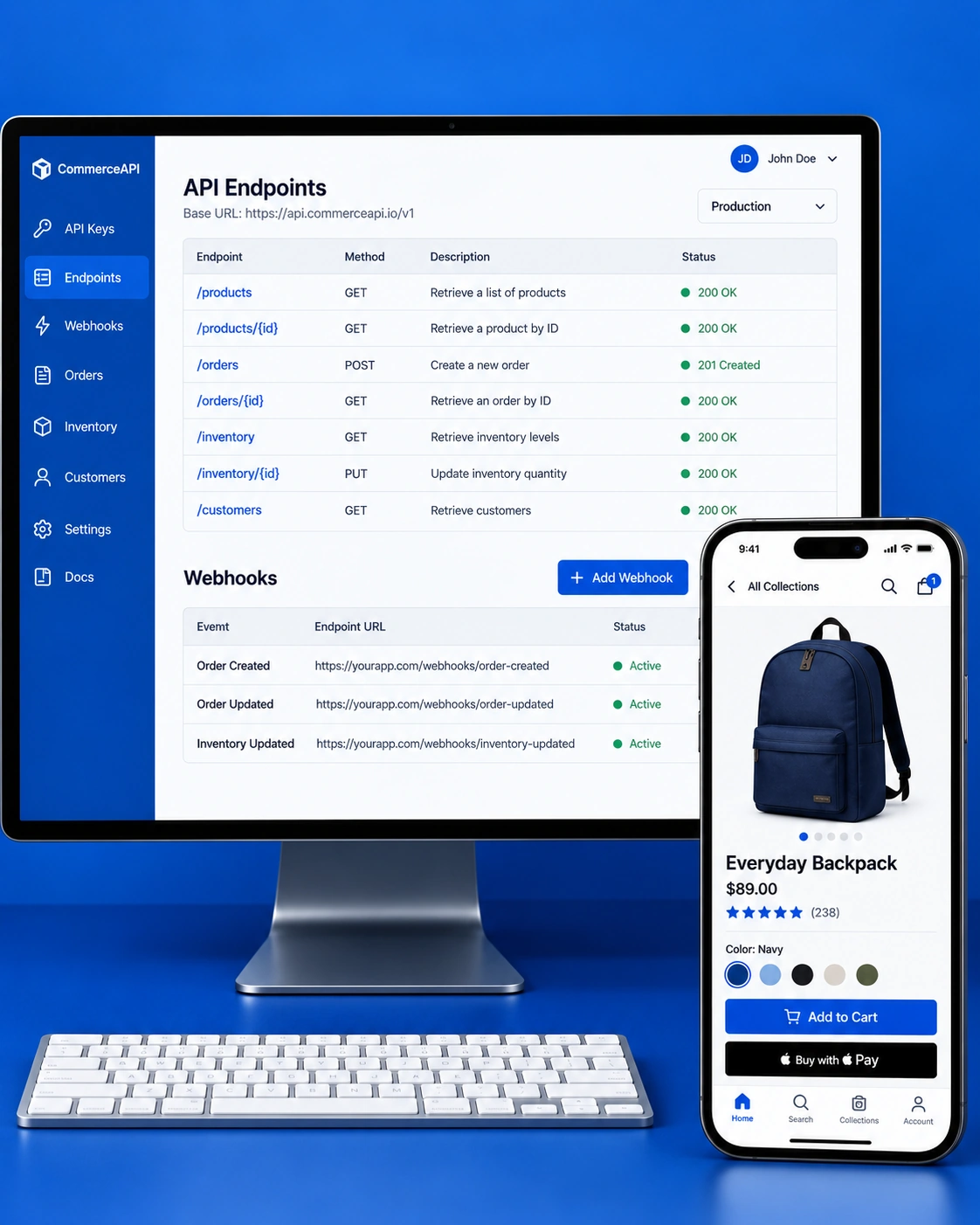
Useful when merchandising, editorial campaigns and storefront releases need more flexibility than a monolithic commerce template.
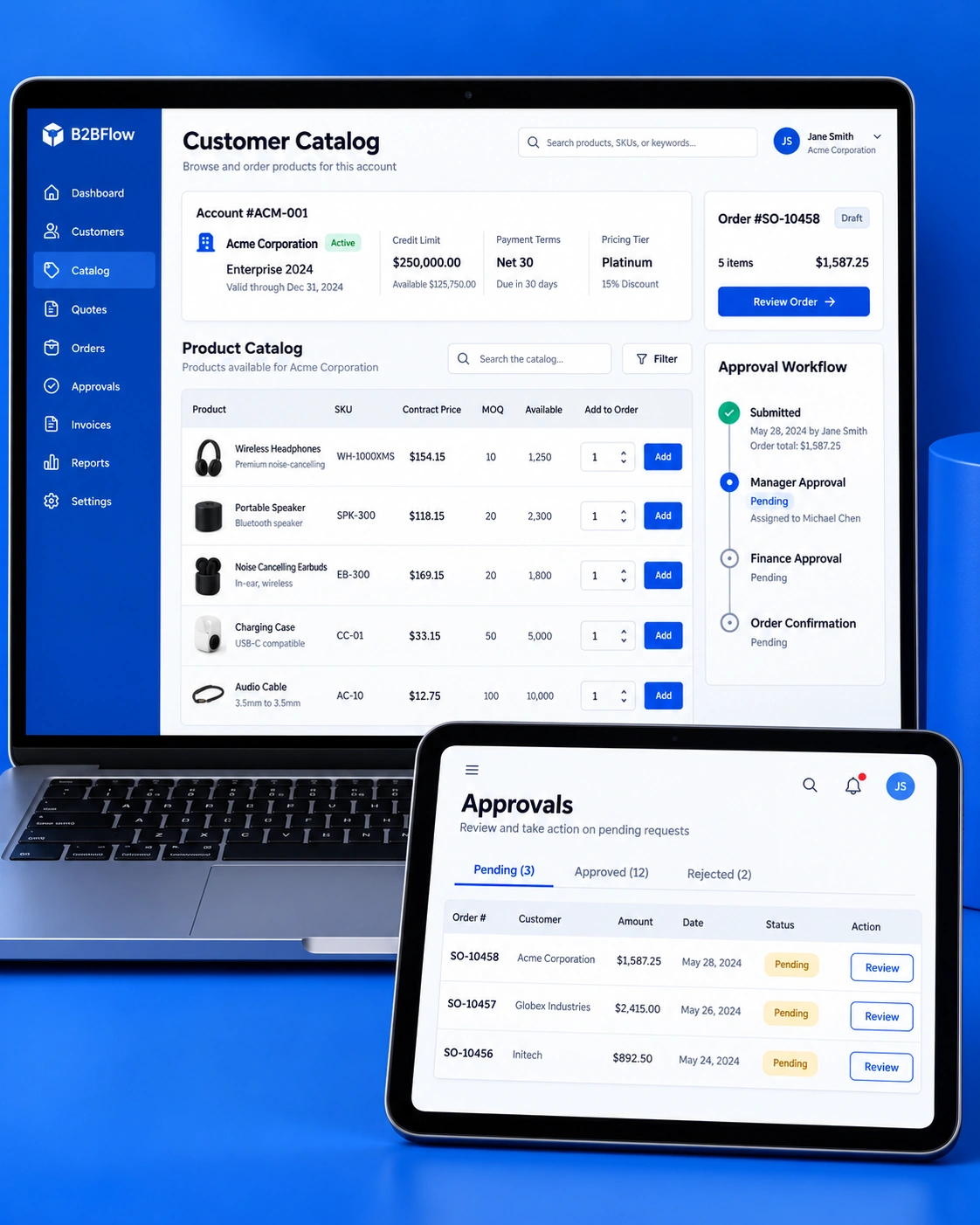
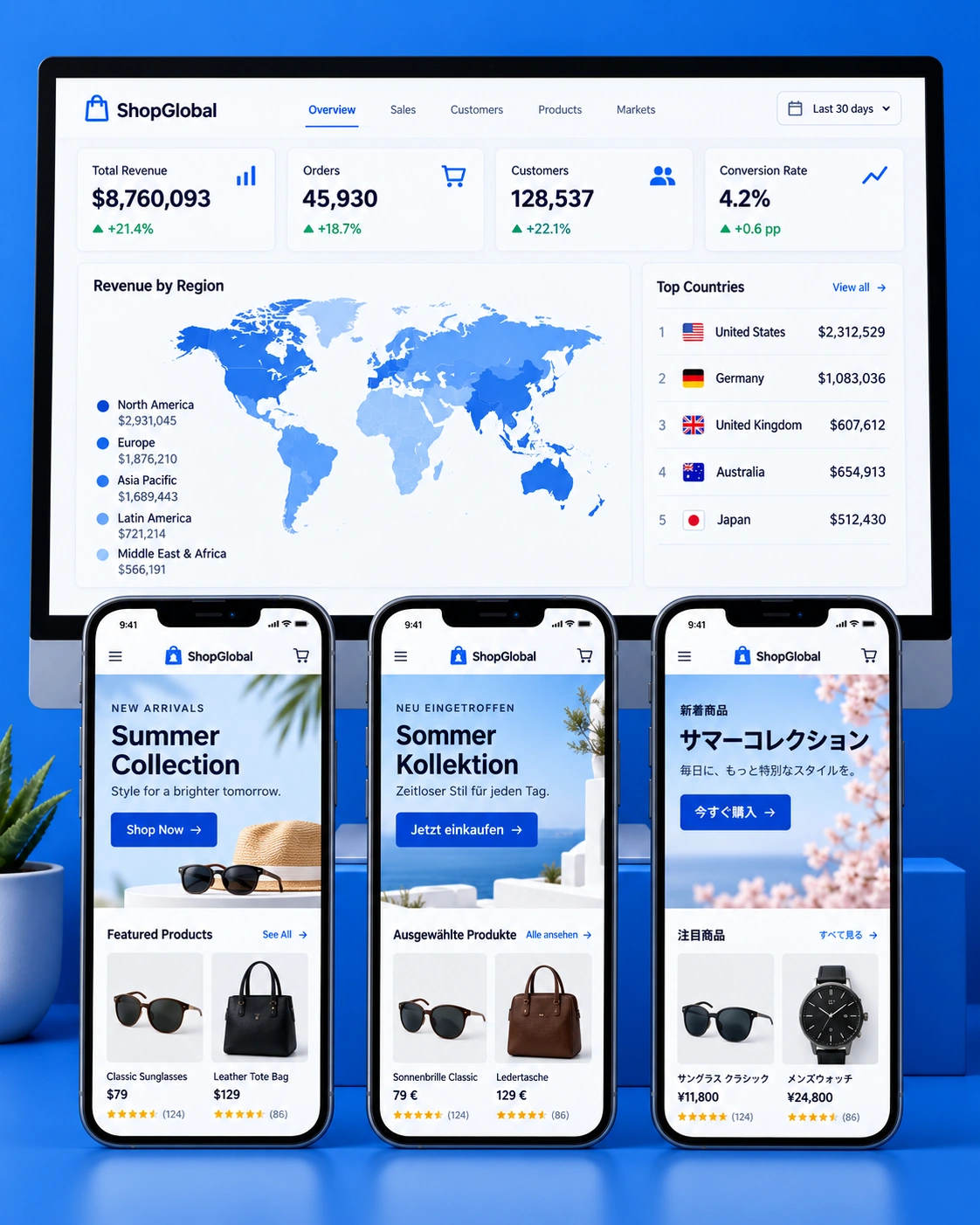
Global foundations stay consistent while local teams control approved regional variations.
Technology choices should fit editor workflows, API needs, deployment ownership, localization and frontend requirements rather than following a single default stack.
 ContentfulStructured content and enterprise SaaS workflows.
 StrapiOpen-source Headless CMS with API flexibility.
 SanityStructured content, Content Lake and custom editorial Studio.
 StoryblokHeadless architecture with visual editing workflows.
 Headless WordPressFamiliar publishing with a decoupled frontend.
 Next.jsModern React framework for server and static rendering.
 GraphQLTyped querying where the selected CMS supports it.
 TypeScriptSafer frontend integrations and content tooling.
 VercelPreview deployments and modern frontend delivery.
 AlgoliaSearch and discovery across structured content.
 CloudinaryMedia transformation and responsive delivery.
 CI / CDAutomated tests, previews and deployment workflows.
Headless flexibility becomes expensive when every team invents fields, duplicates content or bypasses ownership rules. Governance keeps the platform reusable as teams and channels grow.
Define who can change schemas, who owns shared entities and who approves high-risk fields.
Use development, staging or branch workflows according to what the selected CMS supports.
Required fields, references, URL rules, metadata and editorial guidance reduce broken releases.
Document model changes, migration steps and compatibility expectations for connected frontends.
Production content delivery should be monitored like any other dependency in the product stack.
Content modelling, migration, frontend complexity, integrations, localisation, governance and platform operations all change the implementation effort.
Number of domains, relationships, reusable components, validation rules and taxonomy requirements.
Legacy templates, rich text, media, redirects, duplicates and data-cleanup requirements.
Number of websites, apps, portals, markets and rendering strategies consuming the CMS.
Search, DAM, commerce, PIM, CRM, localization, identity, analytics and custom APIs.
Roles, previews, workflows, environments, releases, localization and training.
Hosting, monitoring, schema changes, frontend releases, support and vendor usage models.
The strongest use cases involve multiple markets, channels, products, editorial teams or integrations that make tightly coupled page management harder to scale.
Shared governance across brands, business units and regional websites.
MULTI-SITE · GOVERNANCE · GLOBALDocumentation, marketing, product content and in-app experiences from shared models.
PRODUCT · DOCS · MARKETINGEditorial storytelling around commerce APIs, product data and campaign releases.
CONTENT · COMMERCE · SEARCHHigh-volume structured content, editorial workflows and distribution to many surfaces.
PUBLISHING · WORKFLOWS · SCALEGoverned content, review workflows, regional variations and controlled publishing.
GOVERNANCE · REVIEW · ACCESSShared knowledge and product content across public sites, portals and sales experiences.
PORTALS · CONTENT · INTEGRATIONA Headless CMS manages structured content separately from the frontend and exposes that content through APIs to websites, apps and other digital experiences.
Headless is most useful when multiple channels reuse content, frontend teams need independent release velocity, or editorial governance and integrations have outgrown a tightly coupled CMS.
No. A simpler traditional CMS can be a better choice when there is one primary website, limited integration complexity and no strong need to decouple frontend delivery.
We work with Contentful, Strapi, Sanity, Storyblok, Headless WordPress and other API-first content platforms when they fit the project requirements.
We compare content modelling, editor experience, localisation, workflow, hosting ownership, extensibility, APIs, pricing and integration requirements before recommending a platform.
Yes. A well-designed Headless CMS can serve multiple websites, mobile apps, portals, commerce experiences and future channels from shared structured content.
Yes. We design clear content models, fields, previews, roles and publishing workflows so routine editorial work does not require developers.
Yes. Preview environments can render draft content in the connected frontend before approval, depending on the selected CMS and frontend architecture.
We model reusable entities and references around business meaning, then let each frontend decide how that content is presented in its channel.
Yes. We can inventory existing content, design target models, automate repeatable transforms, migrate media and metadata, and validate relationships before launch.
We review URLs, metadata, canonicals, structured data, internal links, rendering, redirects, sitemaps and post-launch crawl behavior as part of the migration plan.
No. Headless creates frontend freedom, but performance still depends on rendering, caching, image delivery, JavaScript, data fetching and implementation quality.
Cost depends on content model complexity, migration volume, number of frontends, integrations, localisation, workflows, governance and the selected platform’s operating model.
SaaS platforms can include subscription or usage fees, while open-source options shift more cost toward hosting, maintenance and infrastructure ownership.
Yes. Ongoing support can cover schema evolution, CMS configuration, editor workflows, frontend performance, integrations, migration follow-up and platform operations.
Share your current CMS, target channels or migration challenge. We’ll map platform fit, content structure, APIs, frontend rendering and rollout priorities before implementation begins.
