



Customer experience
Method selection, validation, confidence, retries and clear status messaging.
AppsLoading designs and integrates payment experiences for web, mobile, SaaS, marketplaces and digital platforms. From Stripe, Razorpay, PayPal, Cashfree and UPI to subscriptions, split settlements, payouts, refunds, signed webhooks and reconciliation, we build reliable payment flows across the full transaction lifecycle.
A payment can move through authorization, authentication, pending states, callbacks, refunds, settlement and reconciliation long after the customer leaves the screen. We design those states together so customer experience and operational reality stay aligned.
Method selection, validation, confidence, retries and clear status messaging.
Provider APIs, server verification, transaction states and idempotent commands.
Settlements, fees, refunds, payouts, reconciliation and exceptions.



Use AppsLoading for a full payment programme or for one focused layer such as gateway integration, recurring billing, split settlements, payouts, refunds, reconciliation or reliability improvement.
Integrate provider APIs across web, mobile, SaaS and custom products.
Support payment methods based on geography, customer behaviour and provider capabilities.
Plans, trials, renewals, upgrades, invoices and failed-payment recovery.
Connected accounts, commissions, balances, settlements and multi-party refunds.
Move money to vendors, partners, creators, drivers or service providers with traceable states.
Handle full and partial refunds, customer communication and operational review.
Match internal transactions with provider settlement and fee data.
Improve payment reliability without destabilising live transaction flows.
A robust payment system models what happens when everything succeeds and what happens when networks, providers, users or downstream systems do not behave perfectly.
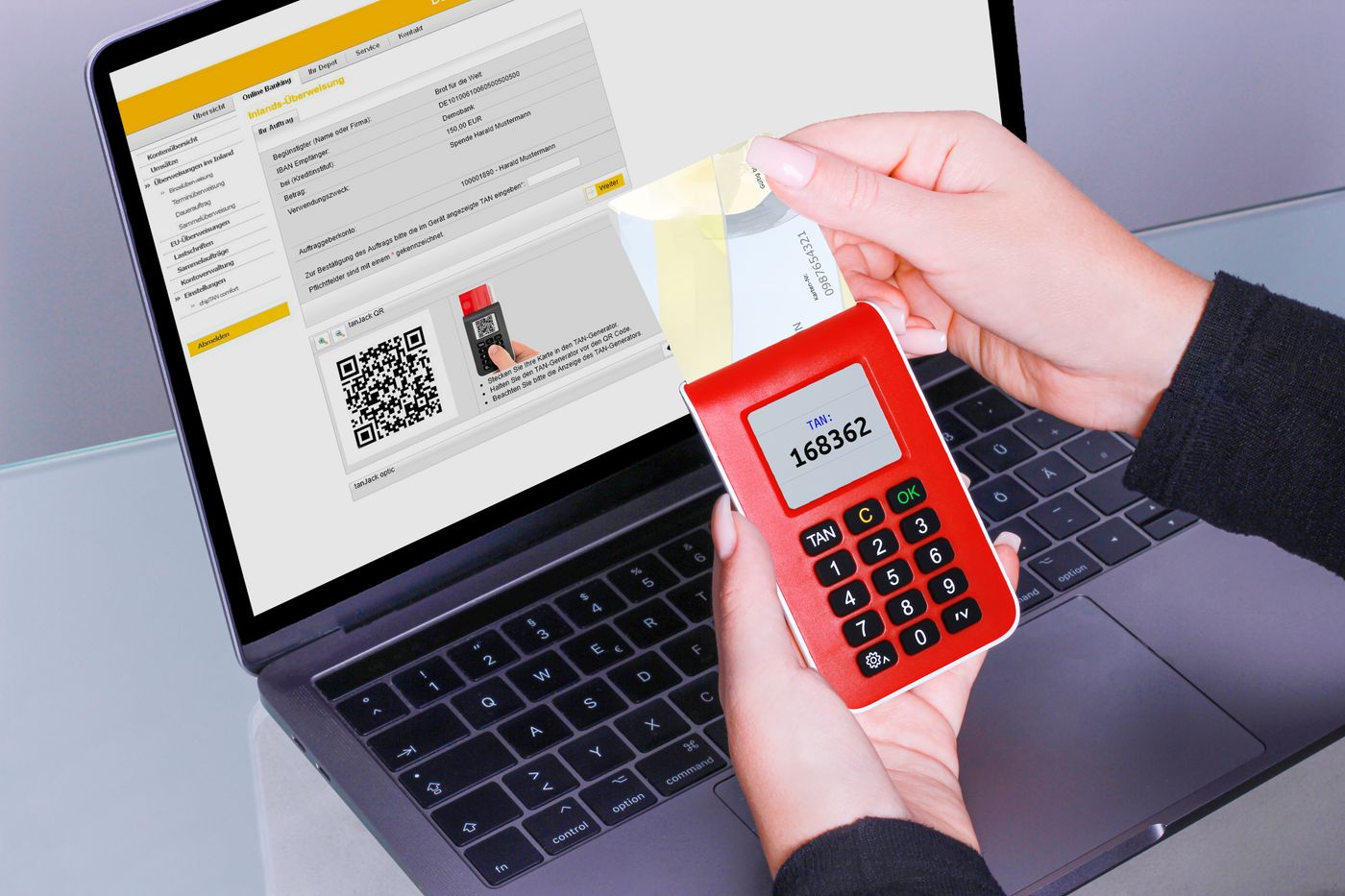
Amount, currency, customer, order and idempotency context are established.
Payment method and provider-specific authentication are completed.
Transaction may be successful, failed, pending, timed out or require another action.
Server-side validation confirms the provider event before business fulfilment begins.
Asynchronous updates are signature-checked, deduplicated and processed safely.
Order confirmation, access, booking or service delivery follows the verified payment state.
Provider settlement records are matched against internal transaction records.



Payment methods should be selected and ordered around geography, device, customer expectations and provider support. The UX should stay clear even when several methods sit underneath it.
Card entry, tokenised return usage, authentication and clear decline handling.
Intent, collect, QR and provider-supported recurring flows where appropriate.
Supported wallet options surfaced where they reduce effort and improve confidence.
Net banking or market-specific options based on provider and audience.

Plans, trials, renewals, invoices, upgrades, cancellations and failed payments all affect product access and customer communication. We model billing events together with entitlement and account state.
Start dates, payment method setup and activation rules.
Proration, effective dates and access changes.
Failed-payment communication, retries and grace periods.
Cancellation timing, remaining access and reactivation.
Marketplace payments involve more than taking a customer payment. Platform fees, seller balances, refunds, payout eligibility and reconciliation need one consistent money model.
Collect against the correct order, booking or service event.
Percentage, fixed, subscription, lead fee or hybrid commercial model.
Net earnings after adjustments, refunds, fees and reserve rules.
Release funds based on completion, return windows or platform policy.
Send payout and keep a traceable reconciliation trail.

Connected accounts, commissions and settlements need to share one source of transaction truth.

Networks fail, provider responses arrive late, customers retry, webhooks are duplicated and states can disagree. We design those scenarios before they become support tickets or financial exceptions.
Do not assume a timed-out browser request means the payment failed. Verify server-side state.
Use idempotent payment operations so repeat clicks or retries do not create repeat charges.
Persist a clear pending state and resolve it through provider events or explicit polling.
Return useful customer messaging without exposing sensitive provider internals.
Recover through retry-safe webhook processing and operational visibility.
Webhook handling should verify authenticity, deduplicate repeated delivery, persist event history and make failures observable without corrupting payment state.
Accept provider event at a dedicated endpoint.
Validate signature and expected provider context.
Ignore already-processed event identifiers safely.
Move internal state only through valid transitions.
Track errors, retries and manual exceptions.
We prefer provider-hosted or tokenised flows where they fit, keep secret material server-side, validate sensitive actions on the backend and design webhook verification and access controls into the integration.
Keep raw payment credentials out of your application where provider capabilities allow.
Do not trust browser success states as the final source of truth.
Verify provider webhook signatures before state changes.
Keep keys and credentials outside client-side code and public repositories.


Reconciliation compares internal transaction records with provider data, fees, refunds and settlements so teams can explain where money is, why values differ and what requires review.
Refunds and payouts often cross customer support, operations and finance. We define state, approval and notification logic so money movement stays traceable.
Capture the business reason, amount, beneficiary and original transaction context.
Confirm eligibility, limits, previous actions and current state.
Call the provider through an idempotent server-side operation.
Track provider response, webhook state and final settlement outcome.


Geography, payment methods, recurring billing, marketplace support, payout capability, settlement reporting and operational tooling should drive provider selection.

Payment optimization is not one number. We look at where customers abandon, which methods fail, how retries behave and whether operational issues are hiding behind the checkout.
An eCommerce checkout, SaaS subscription, marketplace transaction and mobile payment can share providers but still require very different state, refund and settlement design.

Method selection, cart value, order state and customer communication need one flow.

Plans, renewals, dunning and entitlement.

Seller balances, refunds and settlement.
Mobile-first payment completion and status recovery.

Deposits, partial payment, cancellation and provider payout.
Deliverables cover architecture, checkout, backend states, webhooks, operations, testing, visibility and handover.
Provider, method, transaction-state and operational design.
Responsive payment UX and backend provider operations.
Webhook verification, retries, idempotency and observability.
Refunds, payouts, reconciliation and exception handling.
Scenario coverage, implementation notes and operating guidance.
A structured process keeps provider decisions, payment states, finance operations and testing visible before launch.
Review markets, currencies, users, methods, refunds, subscriptions, payouts and transaction volume.
Define provider interaction, transaction states, idempotency, webhook and reconciliation flow.
Method ordering, mobile behavior, validation, failure messaging and recovery journeys.
Implement checkout, backend verification, events, subscriptions, payouts or split logic.
Validate timeout, decline, duplicate, pending, refund, webhook and settlement scenarios.
Monitor success, event failures, refunds, settlements and operational exceptions after release.
Architecture changes with the business model, even when the same payment provider is used.

Customer conversion and fulfilment both depend on trusted payment status.

Renewals, invoices, dunning and access rules.

Multi-party money movement and exceptions.

Deep links, wallet flows and recovery.

Transaction timing follows service delivery.
A single one-time checkout has a different implementation profile from multi-market subscriptions, connected accounts, automated payouts and finance reconciliation.

Number of methods, countries, currencies and provider-specific behavior.
One-time checkout, subscriptions, marketplace, payouts or hybrid flows.
Refunds, disputes, admin controls, finance visibility and reconciliation.
Order platform, ERP, CRM, accounting and data ownership.
Volume, failure recovery, observability and release constraints.
Existing customers, saved methods, recurring plans and cutover strategy.

We connect checkout UX, provider behavior, backend state, asynchronous events and finance operations instead of treating payment integration as a front-end button.
Timeouts, retries, pending states and duplicate events are designed before launch.
Verified server state controls order or service fulfilment.
Refunds, payouts, settlements and reconciliation are part of the same system.
Provider logic is structured so methods and workflows can evolve without rewriting everything.
Payment integration connects a website, app or platform with payment providers so customers can pay securely and the business can manage statuses, refunds, settlements and reporting.
AppsLoading can integrate Stripe, Razorpay, PayPal, Cashfree, PayU, CCAvenue, PhonePe and other providers based on geography and business needs.
Yes. We compare geography, supported methods, settlement model, recurring billing, payouts, reporting and operational fit.
Yes. We can implement supported UPI intent, collect, QR and in-app payment flows through compatible providers.
Yes. Supported methods depend on the selected provider, geography and merchant account.
Yes. We can improve method ordering, validation, error handling, retry flows and mobile checkout experience.
Yes. We can implement plans, trials, renewals, upgrades, cancellations, invoicing and failed-payment recovery.
Yes. We can implement connected accounts, commissions, seller settlements, refunds and payout workflows using supported providers.
Yes. Payout flows can include approvals, schedules, beneficiary management, status tracking and notifications.
We use provider-hosted or tokenised flows where appropriate, server-side verification, signed webhooks, secret management, validation and least-privilege access.
We use idempotency keys, transaction-state checks and backend validation to reduce duplicate processing.
Flows can include pending states, retries, webhook recovery, user messaging and manual exception paths.
Yes. We can help match transactions, settlements, fees, refunds and exceptions using provider data and internal records.
Yes. Support can include webhook failures, disputes, reconciliation, refunds, provider updates, new methods and performance monitoring.
You retain ownership of the code and documentation produced for your payment integration.
Share your payment methods, markets and business model. We will recommend a practical integration approach and architecture.
Start your payment project →