


01
Managed application support
Ongoing engineering coverage for web, mobile, SaaS and enterprise software.
Managed · OngoingAppsLoading provides managed technical support for mobile apps, web applications, SaaS platforms, cloud infrastructure and enterprise software. We combine monitoring, incident response, bug fixing, security updates, release support and preventive maintenance to reduce disruption and protect product continuity.
Once users depend on a product every day, stability, speed of response and operational visibility become part of the product experience. Support needs structure before the next incident arrives.



Use AppsLoading for complete managed support or a focused stream around monitoring, incidents, cloud operations, security, performance or releases.







A clear severity model removes ambiguity during incidents and helps engineers, stakeholders and support teams communicate with the same language.
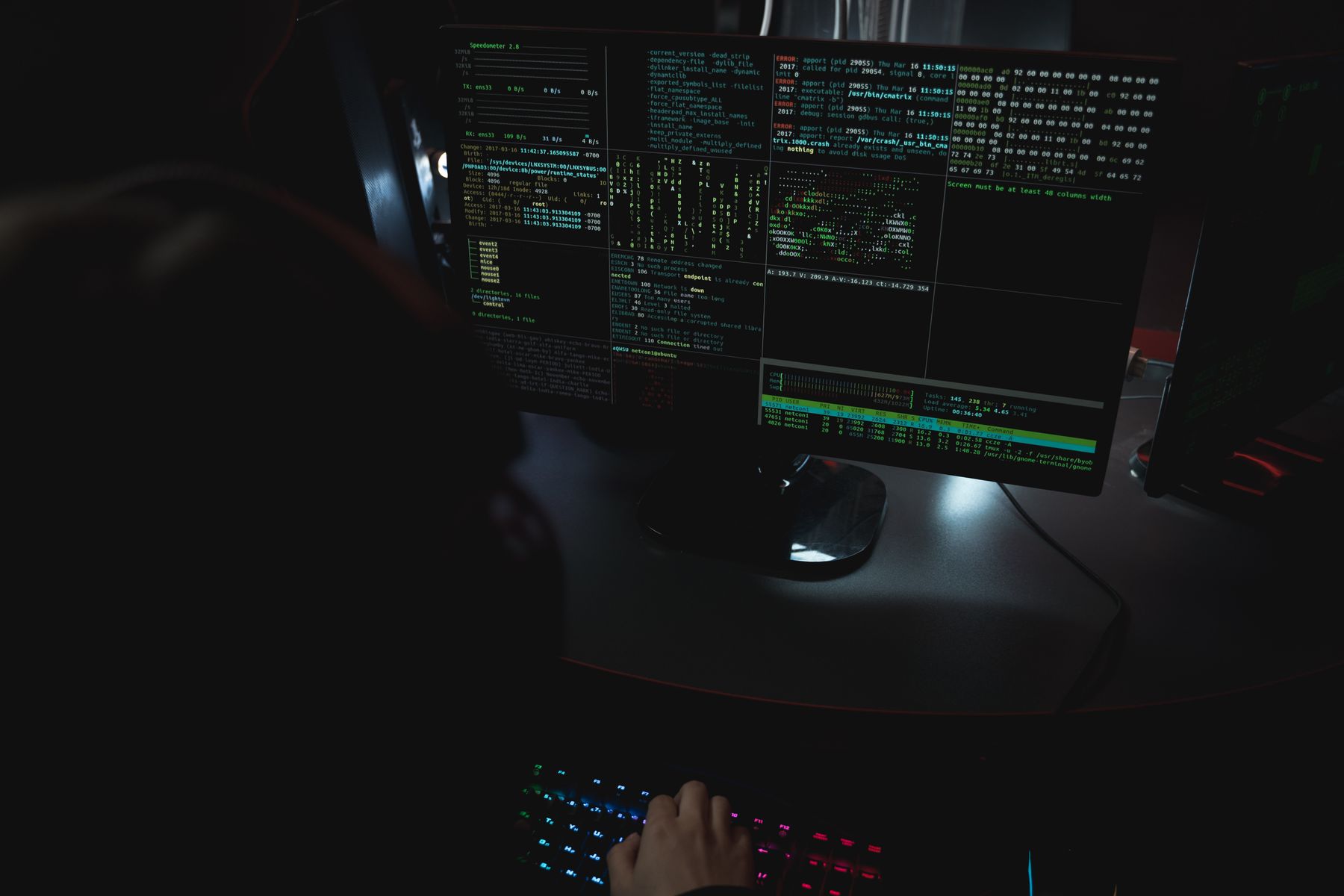
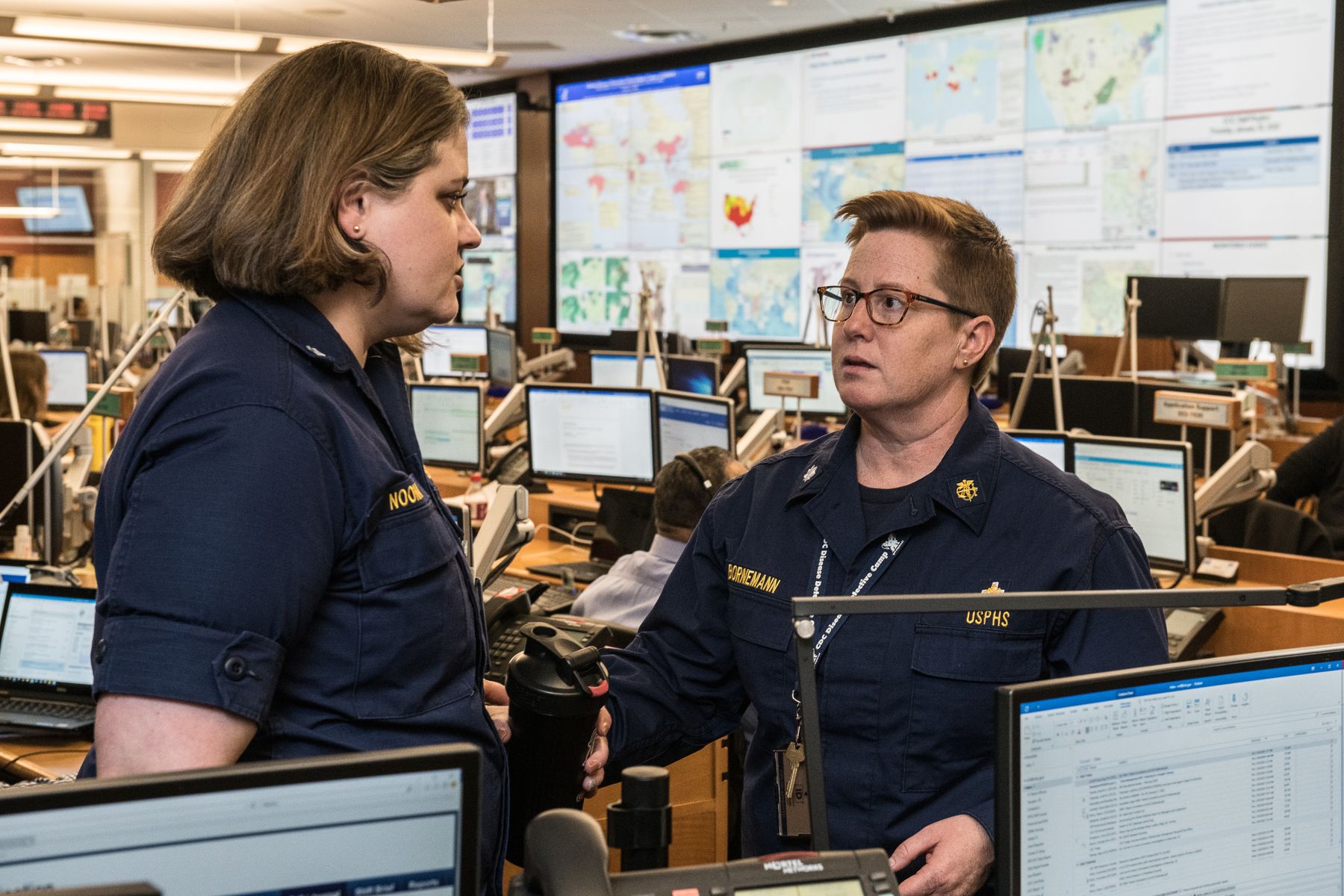
Monitoring should connect infrastructure health to application behavior and business-critical workflows. We establish practical signals and escalation paths rather than creating noisy dashboards.
Browsers, operating systems, SDKs, dependencies, APIs and cloud services keep moving. Planned maintenance reduces the cost of waiting until compatibility or security becomes urgent.



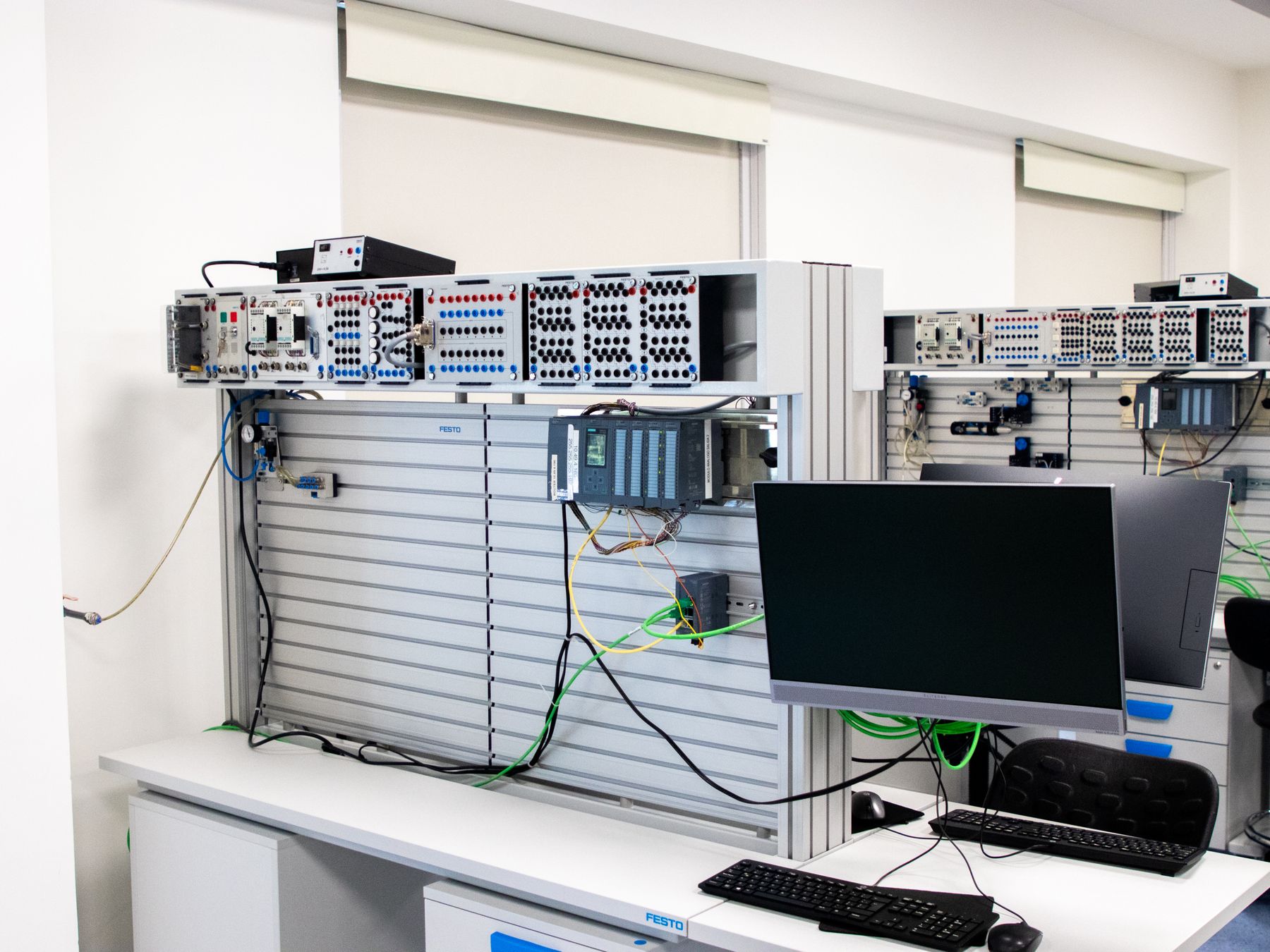
Support can extend into environments, compute, containers, storage, databases, backups, networking and deployment infrastructure.
We fold practical security maintenance into the support backlog so exposed dependencies, access drift and outdated frameworks do not accumulate silently.


We trace slow experiences across frontend rendering, APIs, databases, caches, queues and infrastructure so improvements address the actual bottleneck.
Release support coordinates engineering, validation, deployment and monitoring so production changes are controlled rather than improvised.
High-value support turns incident history into engineering priorities instead of treating every ticket as an isolated event.

What changed, what failed, when impact started and how recovery happened.
Identify underlying design, process or observability weaknesses.
Tests, alerts, automation, architecture or operating changes.
Close the loop so improvements actually reach production.
We connect logs, metrics, traces, error tracking and service indicators into an operational view that helps teams diagnose faster and improve reliability over time.
Some platforms cannot be replaced immediately. Support can improve documentation, security, observability and release confidence while modernization is planned.
Choose a support model based on operating hours, incident volume, release frequency, internal ownership and the level of proactive maintenance required.
Focused engineering help for defined incidents or short-term requirements.
Planned updates, bug fixes, reviews and performance improvements.
Ongoing incident, monitoring, release and maintenance coverage.
Consistent engineers aligned with your architecture and priorities.
Infrastructure, monitoring, backups and deployment operations.
Stabilize production while reducing long-term technical debt.
Operational reporting helps teams see patterns in incident volume, recurring defects, response, releases, risk and maintenance progress.
Support can be reactive, preventive, operational or transformational depending on where the product needs help most.

Restore confidence in a product with recurring incidents or weak ownership.
Create intake, severity, monitoring, escalation and reporting from scratch.

Add operational capacity without pulling roadmap engineers into every issue.

Use incident history to prioritize debt reduction and platform improvement.
We work with your existing stack and add technology only where it materially improves reliability or response.
Cloud operations, monitoring and infrastructure support.
Application hosting, identity and operational monitoring.
Infrastructure, logging and production services.
Error tracking, release health and diagnostics.
Operational dashboards and metrics visualization.
Incident alerting and escalation coordination.
Infrastructure and application observability.
Container operations, scaling and workload troubleshooting.
Onboarding converts product knowledge into access, runbooks, monitoring, priorities and shared operating rules.
Architecture, access, environments, documentation and risks.
DiscoveryResolve urgent issues and establish critical monitoring.
StabilityHandle incidents, maintenance, updates and releases.
SupportMake trends, risks and root causes visible.
VisibilityReduce repeat issues and strengthen product reliability.
OptimizationManaged technical support across SaaS, regulated, transactional, enterprise and high-growth products.

Subscriptions, dashboards, integrations and multi-tenant applications.
Business-critical internal tools and operational platforms.

Payments, accounts, KYC and transaction-critical workflows.

Services where platform operations directly affect customer experience.
Deliverables are structured around continuity, visibility, operational ownership and continuous product improvement.
Coverage, severity, ownership, communication, escalation and reporting.
Architecture, environments, access, documentation and current risk.
Signals, thresholds, escalation and critical workflow visibility.
Issue history, impact, resolution and preventive action.
Security, technical debt, performance and reliability improvements.
Incidents, trends, risks, releases and prioritized recommendations.
We treat production support as engineering work with operational context, not a queue of disconnected tickets.

The support model should reflect the actual product, environment and response expectations rather than a generic ticket allowance.
Revenue, operations and user impact if the product is unavailable.
Business-hours, extended-hours or defined critical response.
Applications, services, clouds, databases and third-party dependencies.
Expected requests, production events and recurring maintenance load.
How often production changes require validation and operational support.
What your own engineering, DevOps and product teams already cover.
It can include monitoring, incident response, bug fixing, maintenance, cloud operations, security updates, release support, performance work and recurring reliability improvements.
Yes. We begin with technical onboarding covering the codebase, architecture, environments, access, documentation, integrations and known risks before taking operational ownership.
Timing depends on access, system complexity, documentation and urgency. Critical stabilization can begin first while the complete operating model is established in parallel.
Priority is based on business impact, affected users, security exposure, availability, revenue impact and whether a safe workaround exists.
Yes. Significant incidents can include a documented timeline, technical cause, contributing factors, impact, corrective action and preventive follow-up.
Yes. Coverage windows and escalation expectations can be defined around product criticality, operating hours and the selected support model.
Yes. Monitoring can cover availability, errors, latency, infrastructure, queues, databases, third-party integrations and business-critical workflows.
Yes. Support can include cloud infrastructure, deployments, backups, scaling, access, monitoring and production reliability across the major cloud platforms.
Yes. We can use your current monitoring, logging and incident tools and add only the visibility or alerting that is missing.
Yes. Support can include dependency updates, framework upgrades, patching, secret and access review, configuration hardening and security-focused remediation.
Yes. Release support can include QA coordination, deployment checks, CI/CD assistance, production validation, monitoring and rollback readiness.
Yes. We can investigate frontend, API, database, memory, queue and infrastructure bottlenecks and convert findings into prioritized improvements.
Yes. A consistent engineering team can be aligned to the product, technology, support volume, operating hours and required skills.
Yes. Engagements can include minor enhancements, technical-debt reduction, reliability work, performance improvements and modernization preparation.
You retain ownership of your product assets. Support documentation, runbooks and technical outputs created for the engagement are delivered for your internal use according to the agreement.
Share your current support needs, production risks and coverage expectations. We will recommend a practical support operating model.
Start your support engagement →