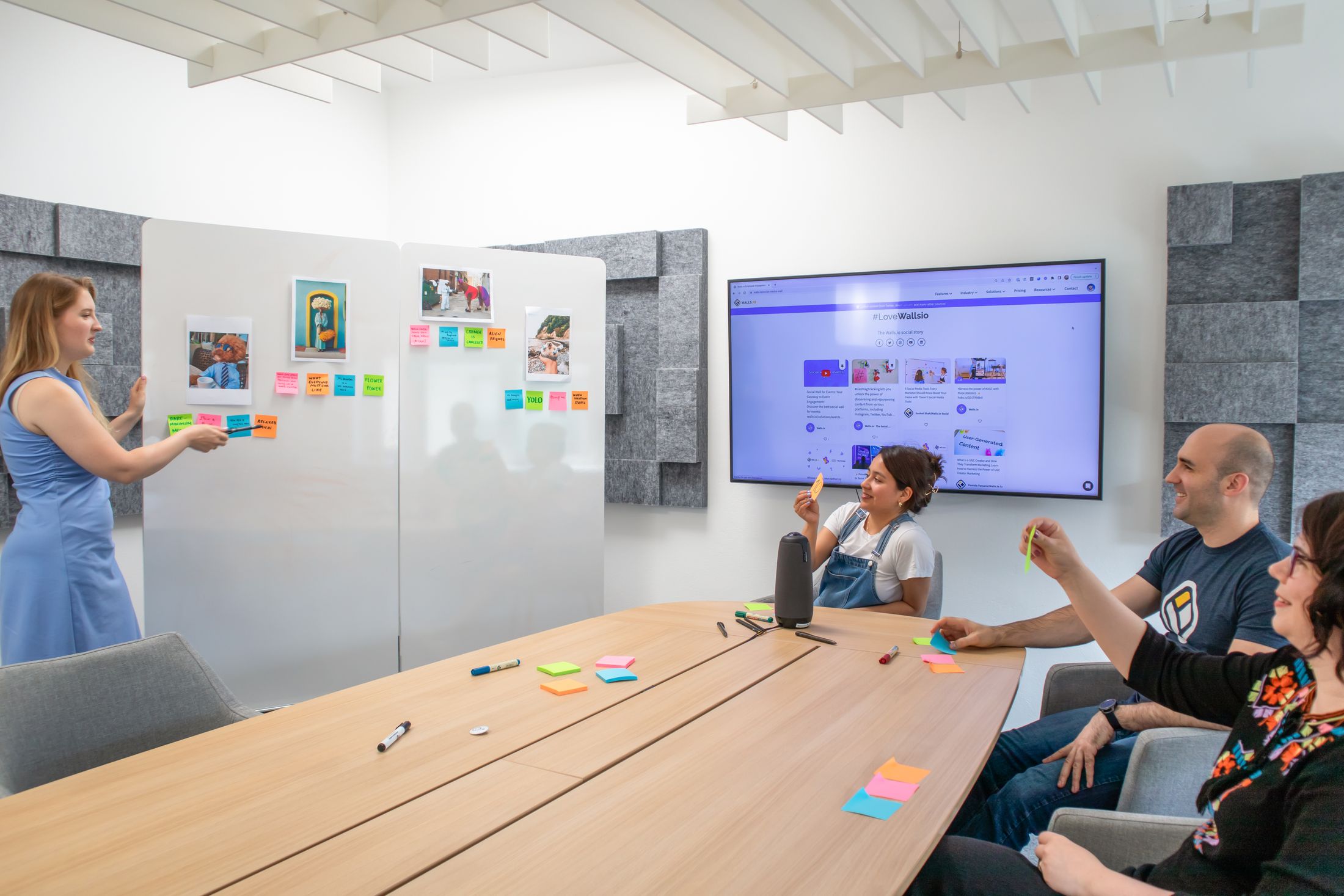



Start with the decision, not the feature list.
Before designing screens or writing code, we clarify the user problem, operating constraint, business objective and technical context. That keeps the roadmap connected to a real outcome.
AppsLoading brings product thinking, UI/UX and software engineering into one delivery team. Since 2016, we have helped businesses turn ideas, workflows and growth opportunities into mobile apps, web platforms, eCommerce experiences and custom software built to keep evolving after launch.

THE WAY WE THINK
Good digital products make sense to users, remain understandable to the teams maintaining them and leave room for the business to change direction without rebuilding everything from zero.
Before designing screens or writing code, we clarify the user problem, operating constraint, business objective and technical context. That keeps the roadmap connected to a real outcome.
Integrations, data ownership, roles, permissions, environments, performance and edge cases should not arrive as late surprises. We surface them while scope is still inexpensive to change.
A launch is one state of a product. We think about maintainability, analytics, future modules, content operations and technical ownership while the foundation is being created.
Decisions, blockers, tradeoffs and progress should stay visible to the people responsible for the product. Better communication is part of engineering quality, not project administration around it.

OUR STORY
AppsLoading began in 2016. The technology landscape has changed repeatedly since then, but the core challenge businesses bring to a development partner has stayed familiar: translate an important idea into something users can actually rely on.
Our work has expanded across mobile, web, commerce, custom software, cloud-connected systems and long-term product improvement. The approach has matured with it. Instead of treating discovery, design, development and support as isolated departments, we connect them around the same product context.
We do not force every brief into the same stack, engagement model or delivery sequence.
Design intent, technical decisions, business rules and release priorities stay connected through delivery.
Documentation, environments, code quality and operational clarity matter because somebody has to run the software after launch.
OPERATING PRINCIPLES
Principles matter most when scope changes, a deadline tightens or the obvious solution creates a new technical risk. These five rules keep product, design and engineering aligned when decisions become difficult.
Assumptions, constraints, ownership and tradeoffs are written down so the team is not solving different versions of the same problem.
People need enough product context to challenge a risky instruction, propose a better route and understand what success actually looks like.
Architecture, accessibility, failure states, testing, maintainability and observability all affect how dependable the product becomes.
We prefer visible increments, early validation and staged technical decisions over long periods of hidden production followed by one high-risk reveal.
Documentation, shared context and clear environments reduce dependency on individual memory and make future ownership safer.
WHAT WE BUILD
The interface changes by product, but the fundamentals stay consistent: understand the workflow, design the right experience, build a maintainable system and make the release observable enough to improve.
Native and cross-platform experiences, connected backends, release workflows and ongoing product iteration.
Conversion-focused websites, portals, SaaS interfaces, CMS experiences and high-performance frontends.
Storefronts, catalogues, checkout, payments, content, integrations and operational workflows behind commerce.
Business platforms, internal tools, customer portals, workflow systems and purpose-built operational software.
Architecture improvement, performance work, integrations, cloud migration, product redesign and platform evolution.
HOW WORK MOVES
The exact sequence changes by project, but the decision flow stays deliberate. Each stage reduces a different type of uncertainty before more cost is committed.
Clarify users, objectives, constraints, current systems, dependencies and the decision the product needs to support.
Output: shared problem framingStructure flows, scope, information architecture, technical approach and the smallest useful release path.
Output: product and technical directionTurn requirements into journeys, states, interactions and a coherent interface system that engineering can implement.
Output: validated product experienceDevelop in visible increments with code review, QA, environment control, integration work and frequent product checks.
Output: production-ready incrementsLaunch, monitor, fix, measure, prioritize and continue improving the product as real use creates better information.
Output: operating product roadmap
INSIDE DELIVERY
A software project becomes difficult to manage when progress is only visible through occasional demos. We structure delivery around visible decisions, inspectable work and clear ownership.
Current priorities, what is in progress, what is blocked and what has changed should be understandable without chasing status.
Flows, edge cases and interaction states are reviewed early enough to change without expensive engineering rework.
Architecture choices are explained in terms of product constraints, maintenance, security, performance and future change.
Testing and review are part of each increment rather than a separate clean-up phase at the end of the project.
COLLABORATION MODEL
We keep product, design, engineering and quality connected around the same source of context. That makes tradeoffs easier to explain and reduces the friction created when every discipline works from a different interpretation.
ENGINEERING STANDARDS
Users experience speed, reliability and consistency directly. Product teams experience the same system through deployability, code clarity, observability, documentation and how safely the software can change.
Exact implementation depends on the stack and product, but these considerations belong in the conversation before launch.
We treat empty states, errors, accessibility, latency, data integrity and operational workflows as part of the same customer experience.
Over-engineering creates drag. Under-engineering creates expensive limits. The goal is an architecture proportional to the product's real risk and growth path.
WHO WE WORK WITH
The best engagement shape depends on what is already known, what is already built and where the biggest uncertainty sits.
Useful when the challenge is moving from concept to a clear product definition, usable experience and engineering foundation.
Useful when the product works but the roadmap, experience, infrastructure or team capacity needs to catch up with growth.
Useful when software has accumulated dependencies, manual work, fragmented interfaces or technical constraints that now affect the business.
PRODUCT DIRECTIONS
The need is not always “build something new.” Sometimes the highest-value work is clarifying, fixing or scaling what already exists.

Use discovery, product structure and design to turn an open-ended idea into a buildable, testable release plan.

Improve journeys, workflows and system behavior instead of only reskinning the interface.

Strengthen maintainability, release confidence, performance and technical ownership.
WAYS TO WORK TOGETHER
A fixed project can be right for a defined delivery. A dedicated team can be right for an evolving roadmap. A focused technical intervention can be right when one constraint is blocking the product.
Structured scope, milestones and a cross-functional team focused on moving a defined outcome from planning through production.
Stable design and engineering capacity integrated with your product priorities, tools and delivery rhythm over time.
Phased technical and product improvement that reduces risk while keeping critical business operations running.
Targeted work around performance, integration, architecture, cloud, reliability, maintenance or release processes.
QUALITY + HANDOFF
Whether AppsLoading continues with the product or your internal team takes over, the software should be easier to understand than a black-box build. We plan for operational ownership as part of delivery.

FAQ
Use these answers to understand the operating model, not just the services list.
AppsLoading plans, designs, develops and evolves digital products including mobile applications, websites, web platforms, eCommerce systems and custom software. Engagements can cover the full product lifecycle or focus on a specific stage such as redesign, modernization, performance, integration or ongoing engineering.
AppsLoading's company story dates to 2016. The tools and platforms have evolved significantly since then, while the core work has remained focused on turning business requirements into usable, dependable digital products.
AppsLoading works across both product design and software engineering. That means UX, interface design, technical architecture, development, QA and release planning can be handled as one connected workflow instead of separate vendor handoffs.
Typical work includes mobile apps, responsive websites, customer or partner portals, eCommerce experiences, SaaS interfaces, internal business systems, workflow software and custom platforms that connect with existing services or data.
Yes. Existing systems can be assessed for UX friction, architecture limits, performance, technical debt, integrations, maintainability and release risk. The right plan may be iterative improvement, phased modernization or selective replacement rather than a complete rewrite.
Yes. Work can be structured around a focused capability gap, a dedicated squad or a defined programme alongside an existing product, design or engineering team. Responsibilities, repositories, environments and decision ownership should be made explicit at the start.
The first step is clarifying users, goals, business rules, current systems, dependencies and constraints. From there, scope, flows, technical direction and delivery sequencing can be shaped with enough detail to reduce avoidable rework.
Clients are most useful at decision points: priorities, product behavior, business rules, design direction, tradeoffs and acceptance. Delivery stays efficient when those checkpoints are planned and project status remains visible between them.
Most digital products benefit from phased delivery because it reduces risk and creates earlier feedback. The release plan should match product dependencies, compliance needs, data migration and the cost of changing a decision later.
Technology should fit the product's user experience, team skills, integration needs, performance profile, security requirements, expected scale and long-term ownership model. The newest tool is not automatically the best tool for every system.
Quality can include code review, automated testing where it provides useful coverage, manual QA, responsive checks, performance review, environment controls, release validation and production monitoring. The exact mix depends on product risk and architecture.
Maintainability is an explicit goal. Documentation, environment setup, deployment knowledge, architecture boundaries and known constraints should be clear enough that product ownership does not depend on undocumented individual knowledge.
Share the business problem, who the users are, what exists today, the most important constraints, any required integrations and what would make the project successful. A complete specification is not necessary to start a useful discussion.
Yes. A focused discovery, design sprint, technical assessment, prototype, architecture review or first release can be a sensible way to reduce uncertainty before expanding the engagement.
Post-launch work can include monitoring, support, bug fixes, performance improvement, analytics review, feature development, platform updates and ongoing roadmap delivery. The right model depends on whether your team takes ownership or continues with AppsLoading.
We can help turn business context, user needs and technical constraints into a practical path forward, whether that means a new product, a redesign, modernization or long-term engineering capacity.