



Product clarity firstScope, user journeys, architecture and success measures before expensive development.
iOS APP DEVELOPMENT COMPANY
Build a high-performance iOS app users trust, return to and recommend.
AppsLoading is an iOS app development company for startups and growing businesses that need more than code. We plan, design and engineer native iPhone and iPad apps with Swift, SwiftUI and Apple frameworks, then support API integration, testing, TestFlight, App Store submission and post-launch improvement.
✓ Swift and SwiftUI specialists
✓ NDA and IP protection
✓ Source-code ownership
✓ App Store launch support
Native engineeringSwift · SwiftUI · UIKit
Product deliveryStrategy to support
Apple ecosystemiPhone · iPad · Watch
IOS APP DEVELOPMENT COMPANY
Native iOS development built around product performance, not just feature delivery.
Strategy, interface design and native engineering aligned from the first product decision to App Store release.
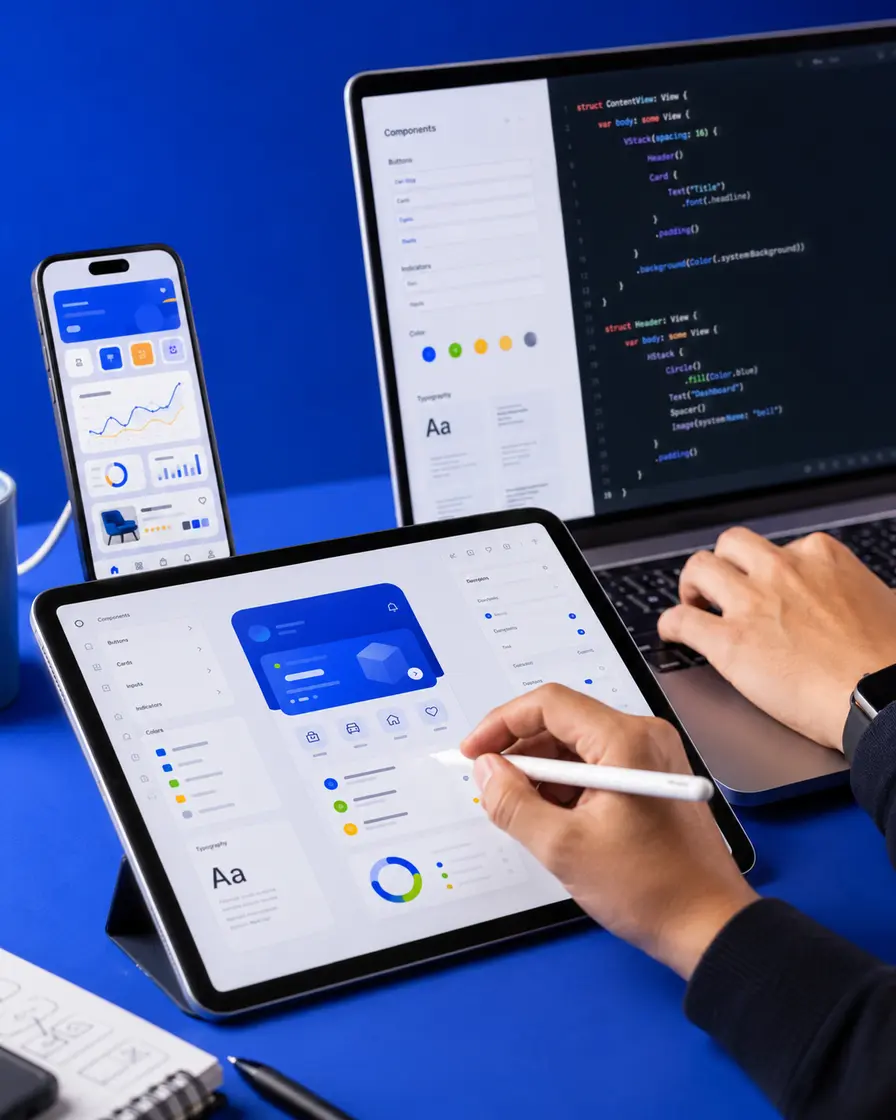
The best iPhone apps do not feel designed around a framework. They feel designed around the person holding the device.
AppsLoading brings product strategy, interface design, native engineering, backend integration, quality assurance and release support into one delivery system.
Apple-first UXClear interaction patterns and accessible systems.
Native depthSwift, SwiftUI, UIKit and Apple frameworks.
Release disciplineTesting and App Store readiness from day one.

iOS DEVELOPMENT SERVICES
Complete iOS app development services from strategy to App Store launch.
Choose a complete product team or bring us into the exact stage where you need senior iOS capability.
01 / Product strategy
Validate the iOS product before expensive development starts.
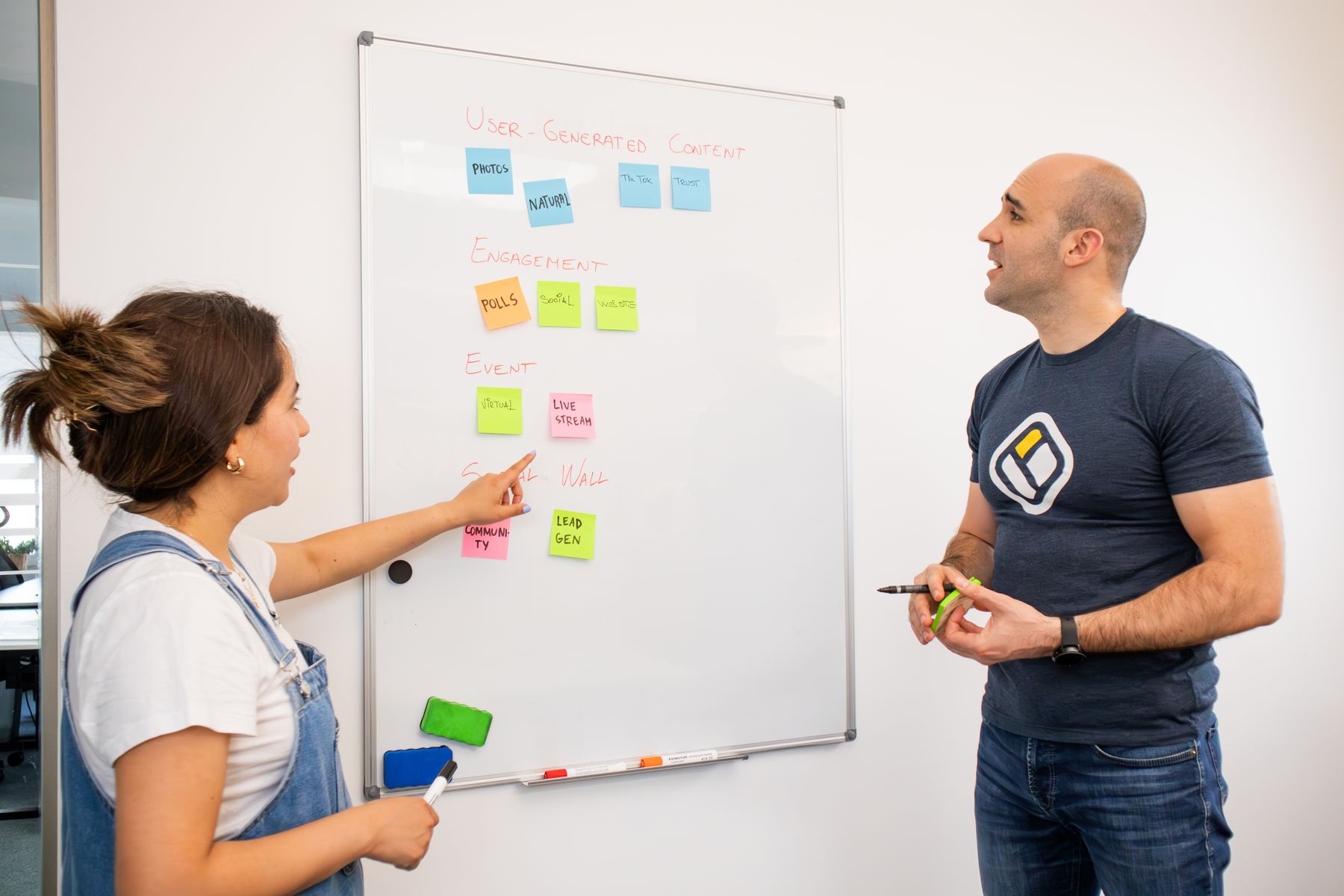
We translate an idea, workflow or existing product problem into a clear product thesis, prioritised scope and delivery roadmap before expensive engineering begins.
- Discovery and stakeholder workshops
- User journeys and opportunity mapping
- MVP definition and feature prioritisation
- Technical feasibility and architecture direction
02 / UI/UX design
Design iPhone and iPad experiences that feel natural on Apple devices.
Our iOS UI/UX design process combines user flows, Apple Human Interface Guidelines, accessibility and a scalable component system. The result is an interface that feels familiar on iPhone and iPad while still expressing your product brand.
- UX architecture and user flows
- High-fidelity interface design
- Interactive prototypes
- Accessible component systems

03 / Native development
Build maintainable native iOS apps with Swift, SwiftUI and UIKit.
We build native iPhone and iPad applications with Swift and SwiftUI, using UIKit where it is the better fit. Architecture is designed for responsive interaction, reliable data, Apple framework integration and maintainability across future iOS releases.
- Swift and SwiftUI application engineering
- UIKit integration where appropriate
- API, cloud and third-party integration
- Offline, background and device capabilities

04 / Modernisation
Modernize legacy iOS apps without disrupting the product that already works.
We audit legacy iOS architecture, UIKit and Swift code, dependencies, performance, crash health and user experience. Then we define whether incremental modernization, SwiftUI adoption or a controlled rebuild offers the best risk-to-value trade-off.
- Codebase and architecture audit
- UIKit to SwiftUI transition planning
- Performance and crash remediation
- Design system and UX refresh

05 / QA & release
Test, validate and release iOS apps with a repeatable quality process.
Functional testing, regression coverage, real-device checks, accessibility, performance validation and TestFlight are integrated into delivery. We also support signing, App Store review readiness and production monitoring.
- Functional and regression testing
- Real-device and OS coverage
- Performance and release validation
- TestFlight and App Store submission

06 / Growth & support
Improve the app after launch with production data, user feedback and release health.
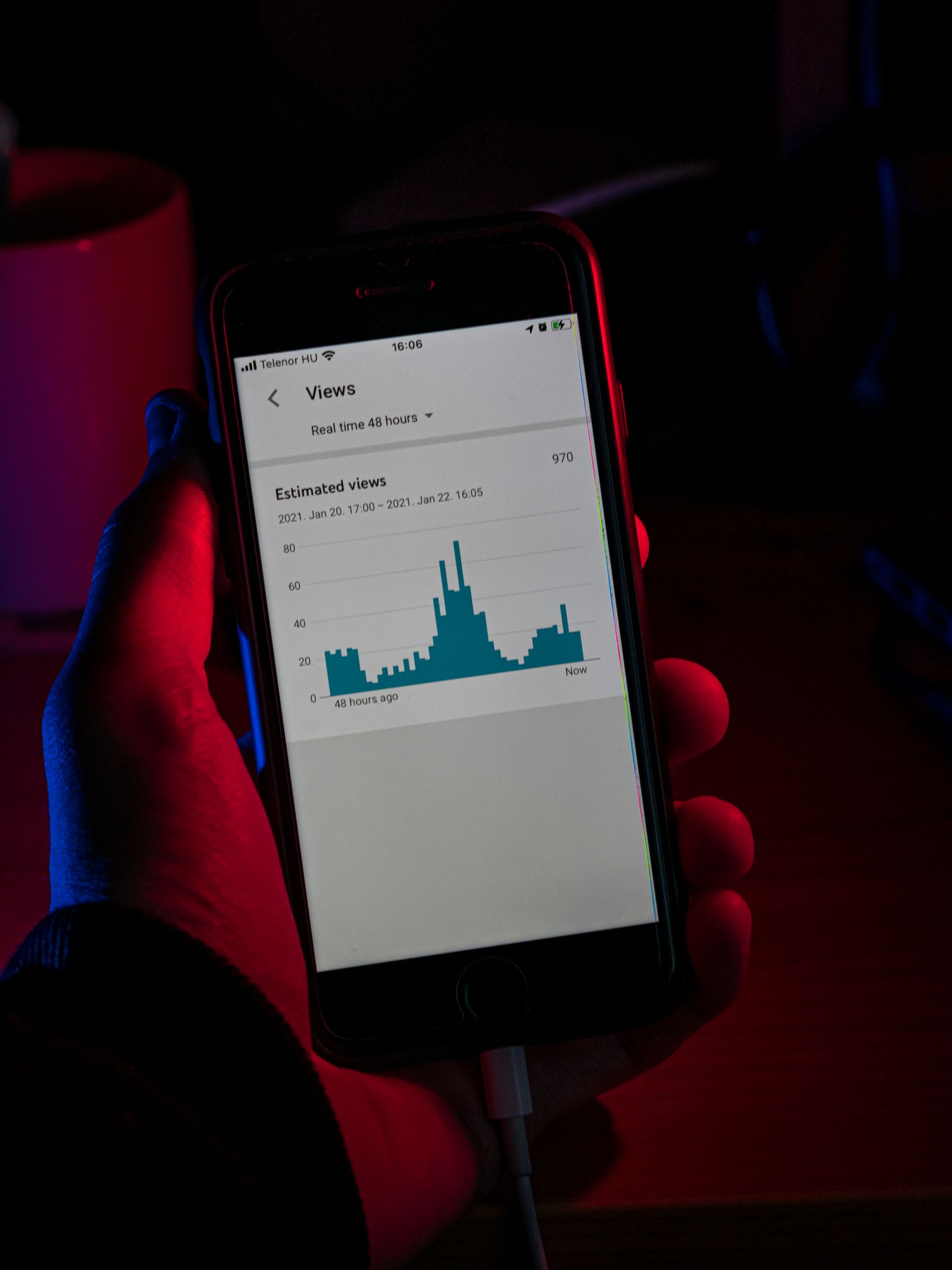
After launch, analytics, crash data, performance signals, App Store feedback and user behavior inform the next release. Support can include iOS version updates, dependency maintenance, feature iteration and conversion improvements.
- Crash and performance monitoring
- OS and dependency updates
- Feature iteration and experimentation
- Analytics and conversion improvement
APPLE ECOSYSTEM
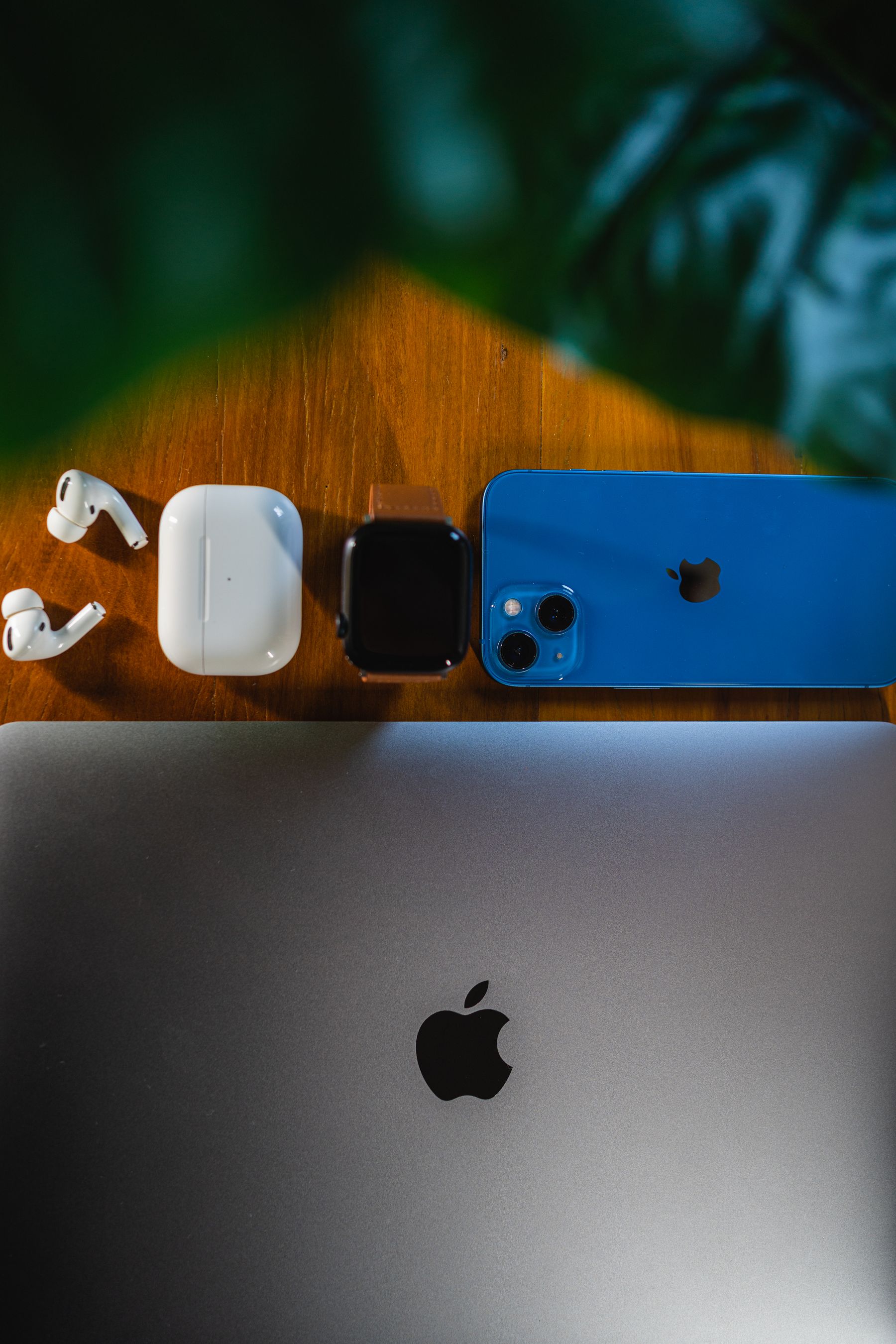
Build one connected experience across
iPhone, iPad, Apple Watch and Apple services.
We design the experience around the role each device plays rather than shrinking the same screen everywhere.
iPhoneiPadApple WatchWidgetsLive ActivitiesWallet

PLATFORM CAPABILITIES
Use Apple platform capabilities where they create real product value.
We use native frameworks only where they improve the experience, reduce friction, strengthen trust or unlock a workflow that matters.

IDENTITY + TRUST
Face ID, secure access and privacy-aware flows.
Use biometrics, Keychain, permissions and secure networking to make sensitive actions feel fast without making security invisible.

PAYMENTS + WALLET
Checkout and credentials that belong inside iOS.
Build Apple Pay, Wallet passes, subscriptions and transaction journeys around clear confirmation, state and recovery.

HEALTH + DEVICE DATA
HealthKit, wearables and connected experiences with context.
Connect health, activity, sensor and device data only where permissions, user expectations and the product model make sense.
LOCATION + LIVE EXPERIENCE
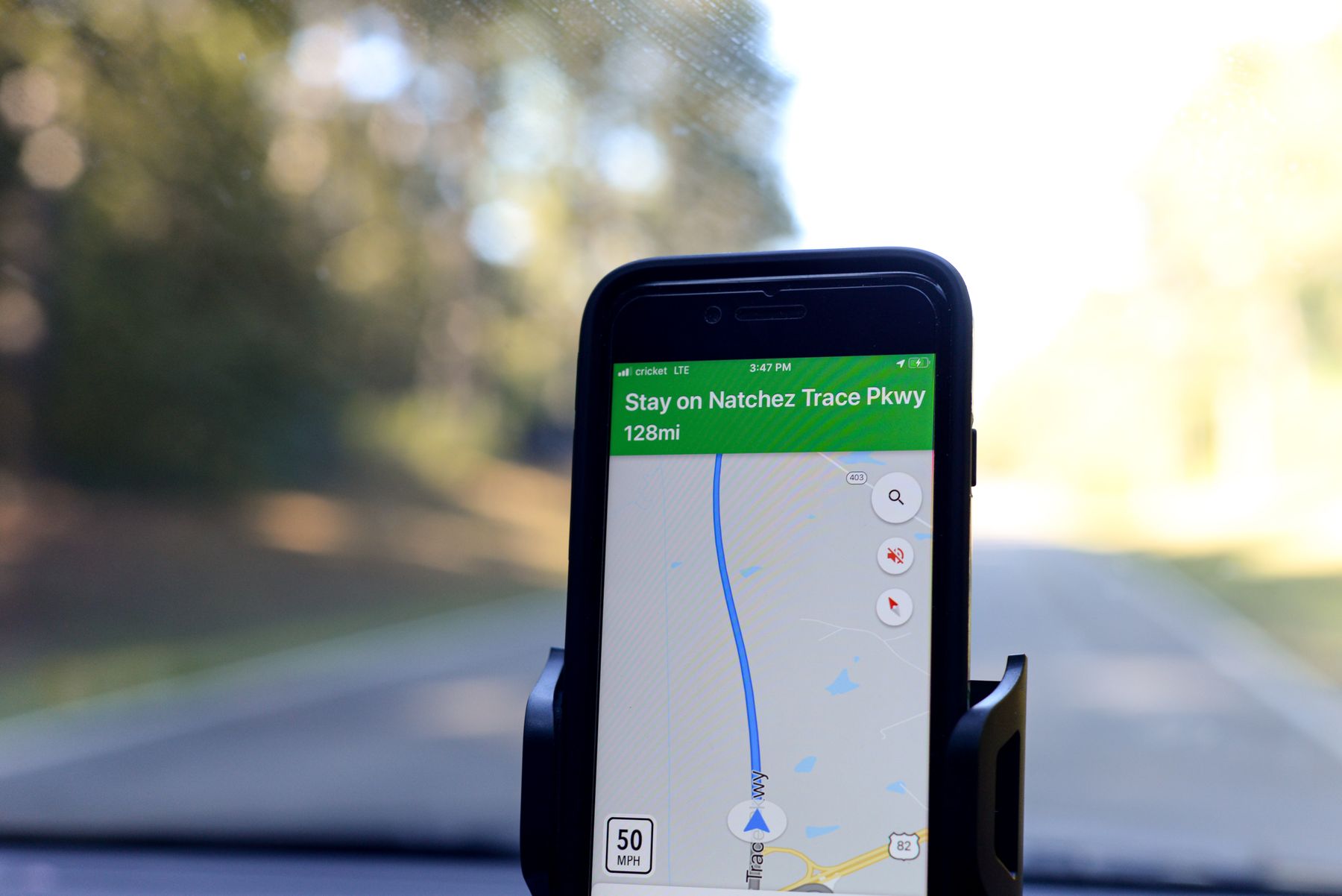
MapKit, Live Activities and offline workflows for moving users.
Design location-aware products that keep essential information visible, respond to changing context and remain useful when connectivity drops.
On-device intelligenceCore ML and privacy-conscious intelligent behaviour.
Widgets & Dynamic IslandUseful information outside the primary app screen.
AR & spatial featuresVisualisation and guidance when spatial context adds value.
Background & syncResilient data flows across changing network conditions.
SELECTED PRODUCT DIRECTIONS
iOS app experiences designed around real customer and business outcomes.
Use these visual directions as placeholders for verified case studies. Each story combines the user problem, product decision and native iOS capabilities used to solve it.

HEALTHCARE IOS APP
Reduce friction across booking, consultation and care follow-up.
A privacy-aware native iOS journey can bring appointments, communication and care updates into one calmer experience.
FINTECH IOS APP
Make payments and account actions feel explicit and trustworthy.
Biometric access, clear state changes and Apple Pay integration help reduce uncertainty in high-trust financial journeys.

IPAD OPERATIONS APP
Keep field workflows usable when connectivity becomes unreliable.
Offline-first data, structured task flows and resilient synchronization can make iPad a dependable operational tool for distributed teams.
WHEN NATIVE EARNS ITS PLACE
Choose native iOS when Apple-specific performance and capabilities matter.
Choose native when product quality depends on Apple-specific interaction, deep framework access, dependable offline behavior, performance or a long iOS lifecycle.
Talk through your platform choice ↗
DIRECT APPLE ACCESSSwift · SwiftUI · StoreKit · MapKit
Experience fidelity
Gestures, animation, accessibility and interface behavior stay close to Apple platform conventions.
Performance control
Profile launch, memory, battery, networking and demanding UI behavior at the platform level.
Platform depth
Use Apple frameworks directly for biometrics, payments, health, maps, widgets and device capabilities.
Long lifecycle
Keep architecture aligned with Apple's roadmap and modernize incrementally as the ecosystem evolves.
DELIVERY SYSTEM
A visible path from product uncertainty to a production-ready iOS app.
Every stage ends with a decision, prototype, tested build or release artifact. You can see what is moving, what is blocked and what is ready for the next gate.

DISCOVER
Clarify the opportunity
Users, business goals, constraints, risk and success measures become a shared product brief.
Output · Discovery briefDEFINE
Set the release boundary
Priorities, integrations, assumptions and milestones are shaped into an actionable product roadmap.
Output · Product roadmapDESIGN
Prototype the experience
User flows, states, accessibility and interface decisions are validated before full implementation.
Output · Interactive prototypeENGINEER
Ship working increments
Native iOS engineering, APIs, analytics and automation move together in reviewable builds.
Output · Tested incrementsVALIDATE
Prove release quality
Regression, real-device testing, accessibility, performance and TestFlight prepare the release candidate.
Output · Release candidateRELEASE
Launch, observe and improve
App Store support, production telemetry and user behavior feed the next product decisions.
Output · Improvement backlogWorking software visibilitySecurity checkpointsReal-device validationDocumented handover
IOS TECHNOLOGY STACK
Native Apple technologies supported by a production-grade delivery stack.
We choose technologies around product requirements, platform depth, maintainability and release speed. The stack stays understandable to the team that will own it after launch.
Native iOSExperience and application layer
 Swift
Swift SwiftUI
 Xcode
XcodeUIKit
Apple frameworksDevice and ecosystem capability
HealthKit
StoreKit
MapKit
Core ML
Data and cloudAPIs, persistence and infrastructure
 Firebase
 GraphQL
 AWS
AWSREST APIs
Quality and releaseAutomation, testing and deployment
 GitHub Actions
 Fastlane
XCTest
TestFlight
EXPERIENCESwiftUI · UIKit→APPLICATIONState · Services · Modules→DATAAPIs · Cache · Persistence→RELEASECI/CD · QA · Observability
ENGINEERING GOVERNANCE
Guardrails that keep an iOS codebase secure, observable and easier to change.
Governance is built into delivery through reviews, automated checks and explicit ownership. The goal is software that remains understandable after the original release team has moved on.

DELIVERY CONTROL SYSTEMContinuous
Architecture decisions
Boundaries, dependencies and significant technical choices are reviewed and documented.
Security controls
Authentication, permissions, secure storage, transport and dependencies are assessed against risk.
Quality signals
Tests, crash health, performance and release checks are visible before and after deployment.
Accessibility and UX quality
Dynamic Type, VoiceOver labels, contrast and interaction states are part of the definition of done.
PRODUCT OUTCOMES
Measure whether the iOS product is becoming more useful, reliable and valuable.
We define product and engineering signals around the job the app must do. The framework below shows what we watch without inventing vanity benchmarks.
CUSTOMER VALUE
From first useful moment to repeat use.
Activation, conversion and retention reveal whether users can understand the product, complete important journeys and come back for ongoing value.
ActivationConversionRetention
PRODUCT HEALTH
Performance and stability
Startup time, responsiveness, crash health, networking and release quality.
FEATURE VALUE
Adoption and depth of use
Understand whether new capabilities create repeat behavior or only temporary curiosity.
BUSINESS OPERATIONS
Efficiency and support load
Track whether mobile workflows reduce manual steps, delays, duplicate work or support demand.
APP STORE READINESS
App Store submission and release readiness built into the development process.
Release planning covers TestFlight, signing, privacy disclosures, target-device testing, performance checks, screenshots, metadata and App Store review support. These tasks are handled throughout delivery instead of being compressed into the final week.

Beta confidence
TestFlight distribution, regression checks, analytics events and crash monitoring on realistic journeys.
Privacy and compliance
Permission prompts, privacy disclosures, secure data handling and product-specific compliance requirements.
Performance readiness
Startup, networking, memory, responsiveness and release health reviewed before production submission.
Store submission
Metadata, screenshots, version notes, signing, review responses and resubmission support when needed.
APPLE FIRST PRODUCT SYSTEM
One operating model from product intent to production release.
Great iOS products are not designed in one phase and engineered in another. Product, experience, architecture and release quality stay connected so every decision supports the same outcome.

APPLE FIRST DELIVERY
Experience, architecture and release quality move together.
PRODUCT + EXPERIENCE
01
Shape the journey around Apple behavior.
Information architecture, navigation, accessibility, responsive layouts and interaction states are resolved before they become engineering debt.
ENGINEERING + PLATFORM
02
Build a system that can evolve.
Swift, SwiftUI, UIKit, APIs, data, security and Apple frameworks are organized around maintainability rather than short-term feature delivery.
QUALITY + RELEASE
03
Close the loop with evidence.
Real-device QA, TestFlight, observability, App Store readiness and production signals inform the next product decision after launch.
Shared product decisionsDesign and engineering work from the same priorities.
Quality built in earlySecurity, accessibility and testability are not final-week tasks.
Release informs roadmapProduction evidence shapes what gets improved next.
ENGAGEMENT MODELS
Choose how much ownership you want us to take.
Each engagement model changes who owns product decisions, delivery management and technical execution. Pick the structure that fits your internal team, release pressure and current product risk.
01
END TO END OWNERSHIP
iOS Product Squad
A cross-functional team owns discovery, product design, native engineering, backend integration, QA and App Store release as one accountable unit.
Most complete
02
SPECIALIST CAPACITY
iOS Team Extension
Add senior native iOS capability to your existing product organization while your team keeps roadmap ownership and delivery management.
03
FOCUSED RISK REDUCTION
Modernization Sprint
Audit an existing iOS application, isolate architectural, performance and experience risks, then execute a prioritized improvement plan.
Not sure which model fits?Start with the product problem. We can recommend the leanest team structure that can own it responsibly.
Discuss the right engagement ↗

INDUSTRY EXPERIENCE
iOS app development experience across products with very different operating needs.
Healthcare, fintech, commerce, logistics, travel and media products have different security, data, workflow and integration requirements. We adapt iOS architecture and UX decisions to the operating context instead of applying one generic app template.
Healthcare + wellness
Patient journeys, health data, remote monitoring, booking and privacy-aware communication.
HealthKit · Secure APIs · NotificationsFintech + payments
Accounts, identity, payments, transaction flows and high-trust financial interactions.
Apple Pay · Biometrics · Secure storageRetail + commerce
Discovery, loyalty, subscriptions, checkout, order tracking and omnichannel journeys.
StoreKit · Analytics · WalletLogistics + field service
Dispatch, route workflows, inspections, asset tracking and dependable offline operation.
MapKit · Offline sync · Background tasksTravel + hospitality
Booking, itineraries, mobile check-in, guest services and location-aware experiences.
Wallet · Maps · NotificationsMedia + communities
Streaming, memberships, creator tools, messaging and content discovery.
Subscriptions · Media · ModerationPLATFORM DECISION
Native iOS, Flutter or React Native: choose the platform around product priorities.
Native iOS offers the deepest Apple integration, while Flutter and React Native can reduce duplicated cross-platform work. We compare experience fidelity, Apple API access, shared code, team skills and lifecycle needs before recommending an approach.
Decision factorNative iOSFlutterReact Native
Best when
Apple experience and platform depth are strategic
One custom UI must ship across iOS + Android
React expertise and shared mobile delivery matter
Apple API access
Direct
Packages / native bridges
Libraries / native modules
UI fidelity
Highest native consistency
Consistent custom UI
Near-native with platform variance
Shared code
iOS-specific
High
High
Typical strength
Performance, Apple features, long iOS lifecycle
Cross-platform consistency
Team reuse and web/mobile alignment
Not sure which route fits?We can assess product complexity, platform needs and team economics before development starts.
Get a platform recommendation ↗FREQUENTLY ASKED QUESTIONS
iOS app development questions buyers ask before starting a project.
Compare common questions about iOS app cost, timeline, SwiftUI, backend development, modernization, source-code ownership and App Store submission. For a project-specific answer, share your requirements with our team.
Discuss your requirements ↗01How much does iOS app development cost?+
iOS app development cost depends on feature scope, UI complexity, backend and API work, third-party integrations, security requirements, device support, testing depth and delivery timeline. A focused discovery phase helps turn those variables into a realistic scope and estimate instead of relying on a generic per-app price.
02How long does an iOS app take to build?+
A focused iOS MVP may take several weeks, while a larger customer or enterprise application can take several months. Product discovery, design complexity, backend readiness, integrations, compliance, testing and App Store release requirements all affect the schedule.
03Should we use SwiftUI or UIKit?+
SwiftUI is a strong default for many new iOS applications because it supports modern declarative UI development across Apple platforms. UIKit remains useful for mature codebases, specialized interface behavior and incremental modernization. Many production apps use both where that produces the cleanest result.
04Can you build the backend and APIs too?+
Yes. We can deliver the native iOS application together with APIs, databases, cloud infrastructure, authentication, admin tools, analytics and third-party integrations so mobile and backend architecture are planned as one product system.
05Can you modernise an existing iOS app?+
Yes. We can audit an existing iPhone or iPad app for architecture, Swift/UIKit/SwiftUI code quality, dependencies, UX, performance, crash health and release workflow, then recommend targeted remediation, staged modernization or a controlled rebuild.
06Will we own the source code?+
Source-code, design-asset and documentation ownership should be defined clearly in the project agreement. Our intended delivery model is transparent handover of the agreed project assets once contractual obligations are met.
07Can you support TestFlight and App Store submission?+
Yes. App Store support can include certificates and provisioning, TestFlight beta distribution, privacy disclosures, screenshots and metadata, release notes, submission readiness, review responses and resubmission assistance when required.
BUILD THE RIGHT IOS PRODUCT
Plan, design and build an iOS app ready for real users and the App Store.
Tell us your users, business goal, must-have features, integrations and current constraints. We will help shape a practical iOS development scope, architecture and release plan from discovery through App Store submission.
Start your iOS project ↗NDA available · Source-code ownership · App Store support