



Releases keep getting slower
Regression effort grows while release confidence falls.
AppsLoading helps organizations replace fragile architecture, outdated interfaces, unsupported technology and manual release processes through phased modernization. We protect business continuity while moving applications, data and operations toward a maintainable cloud-ready platform.
It usually comes from years of accumulated coupling: business rules hidden in code, unsupported libraries, fragile integrations, manual release steps and data structures nobody wants to touch. The first job is to make that risk visible.



Modernization is easier to justify when technical limitations are already affecting delivery, customers, risk or growth.
Regression effort grows while release confidence falls.
Security patches, vendor support and skilled talent become harder to obtain.
New channels and partners depend on manual files or brittle point-to-point links.
Old interfaces create training cost and operational friction.
Infrastructure assumptions prevent elastic, automated operations.
Valuable logic cannot be reused safely outside the legacy core.
We avoid modernization theatre. Each capability can follow a different path depending on value, risk, lifespan and dependency.
Improve reliability and security where replacement value is low.
Relocate workloads with limited application change.
Adopt containers, managed services or modern hosting foundations.
Reduce coupling, simplify hotspots and improve testability.
Create modular services, APIs and event-driven flows where useful.
Move to a new product when modernization creates less value than replacement.
Use AppsLoading for a complete modernization program or a focused stream around one high-risk constraint.









Legacy systems often contain years of proven exception handling and business rules. We map them before proposing a target architecture.
A strangler approach places controlled interfaces around the legacy core, moves one bounded capability at a time, then retires the old component only after production confidence exists.

APIs and adapters create a controlled boundary between old systems and modern channels. That lets web, mobile, partner and automation products reuse stable business logic while modernization continues behind the interface.


When the application is valuable but the hosting model is fragile, replatforming can deliver major operational improvement with less application change.
Move from manually maintained servers to automated, supportable infrastructure.
Package workloads consistently and separate runtime change from operating-system drift.
Reduce “works on one server” behavior with repeatable environments.
Make release steps observable, repeatable and reversible.
Not every monolith needs microservices. We focus on boundaries that improve ownership, deployability and risk isolation.
Shared databases, hidden dependencies and release coordination create wide blast radius.
Clear interfaces, explicit ownership and deployable components where independence adds value.


Database modernization is not just a schema copy. We separate structural cleanup, migration mechanics and business reconciliation so teams can prove the new data behaves correctly.




Many legacy products need a better front end before they need a completely new backend. We can separate interface modernization from deeper architectural change.
Unsupported frameworks, broad privileges and old authentication patterns often create urgent modernization pressure. Security controls become part of the target architecture, not a final checklist.
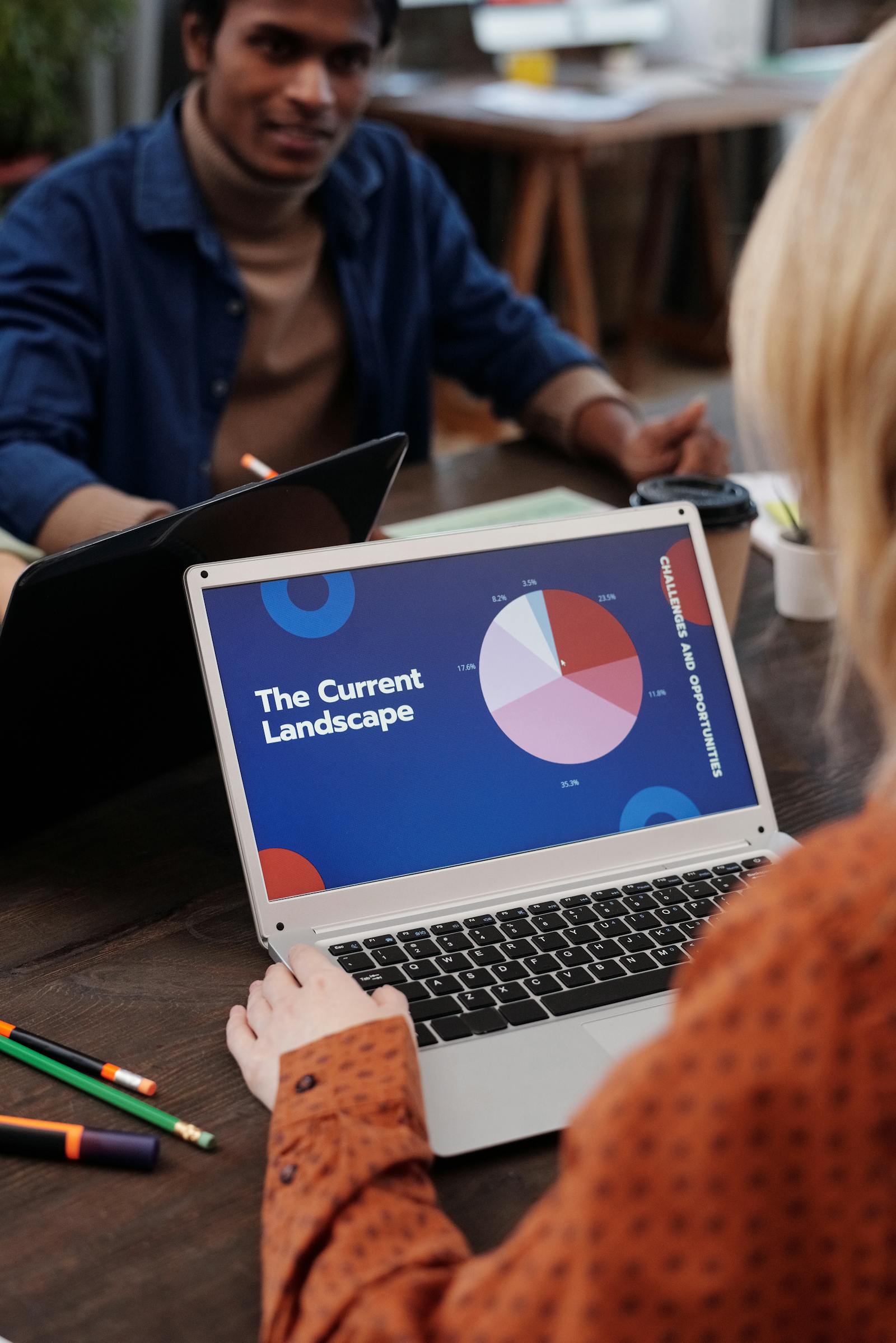
Legacy systems often survive because nobody trusts a full regression. We turn critical business behavior into repeatable protection.
Identify the journeys that must never break during modernization.
Protect messages, APIs, files and downstream behavior.
Compare outputs, balances and transactions between old and new.
Measure critical response time and throughput before migration.
Verify authorization, roles and sensitive-data controls.
Automate evidence before traffic is moved to modern capability.


CI/CD, infrastructure automation and observability are what turn a one-time modernization project into a maintainable operating model.
During phased modernization, coexistence needs explicit routing, synchronization and reconciliation instead of informal workarounds.
A successful migration needs clear readiness gates, owners, checkpoints and reversal paths before traffic changes.


We build operational visibility into the transition so teams can compare old and new behavior, detect regressions and understand production health.
Modernization can start from infrastructure, architecture, experience or integration depending on where risk and value are concentrated.
Reduce technical debt where change frequency is highest.
Improve supportability, automation and operations first.
Reduce hardware and environment fragility.
Prove the target architecture with a controlled first migration.
Modernization programs can begin with assessment, a pilot capability or an end-to-end transformation stream.
Current-state architecture, risk map, strategy options and phased roadmap.
Modernize one bounded capability to validate architecture and delivery assumptions.
Move prioritized capabilities through controlled releases and coexistence.
Stabilize the legacy estate while new capability is delivered and transitioned.
The stack follows the target architecture and migration constraints rather than forcing every system into the same pattern.

Enterprise application modernization
Runtime and service modernization

APIs and integration services

Modern web interfaces

Modern transactional data
Portable runtime packaging
Container orchestration

Repeatable infrastructure
The goal is not newer technology by itself. The goal is less operational risk and a system that is easier to own, extend and release.
Remove fragile code, unsupported dependencies and environment drift.
Shorten regression, deployment and recovery cycles.
Increase visibility, resilience and operational consistency.
Expose business capability through reusable interfaces.
Upgrade identity, secrets, dependencies and auditability.
Prepare the platform for more users, data, regions and products.
A phased delivery model with explicit architecture, data, quality and operational gates.
Map capability, architecture, dependencies, data and operational risk.
Sequence opportunities by value, risk and dependency.
Build regression, data and observability coverage before major change.
Move APIs, runtime, data, UX and architecture in controlled increments.
Run coexistence, migrate traffic and validate production behavior.
Remove duplicated legacy capability and continue platform optimization.
Useful across regulated, operational and transaction-heavy environments where a big-bang rewrite creates unnecessary business risk.
Internal platforms with years of rules and dependencies.
Transaction, reporting and integration-heavy systems.
ERP, production, inventory and plant operations.
Records, billing, workflows and regulated operational systems.
Deliverables make risk, sequencing, ownership and technical decisions explicit before implementation and during transition.
Systems, dependencies, data, users, risks and operational constraints.
Target state, priorities, phases, dependencies and expected outcomes.
Components, APIs, data flows, security and deployment model.
Readiness gates, sequencing, data validation and recovery steps.
Critical workflows, integrations, performance and security validation.
Operations, deployment, support and future development guidance.
We treat the existing system as evidence of how the business really works. Hidden rules, exceptions and operational dependencies are understood before they are replaced.
Two systems with the same code size can require very different programs depending on business criticality and hidden dependencies.
Monolith size, shared libraries, external interfaces and runtime constraints.
Volume, history, schemas, reporting and migration reconciliation.
Downtime tolerance, transaction risk, compliance and operational windows.
Upstream/downstream dependencies, partner systems and manual bridges.
Existing test coverage and the amount of critical behavior that must be captured.
How long old and new systems must synchronize during transition.
Legacy modernization improves aging software, infrastructure, data and interfaces while preserving the business capability that still has value.
No. Stabilization, rehosting, replatforming, modularization, API enablement or phased replacement may create more value with less risk.
We review architecture, code, dependencies, data, integrations, security, users, operating procedures, release constraints and business criticality.
The choice depends on business value, technical risk, expected lifespan, change tolerance, dependencies, performance needs and the cost of continued maintenance.
It replaces selected legacy capability gradually while the original system continues operating, reducing the risk of a single big-bang cutover.
Yes. Modularization, clearer boundaries, APIs, automated testing and modern infrastructure can improve a monolith without unnecessary service fragmentation.
We plan mapping, backups, validation, reconciliation, synchronization, cutover and rollback before production data is moved.
Yes. Stable business capability can be wrapped with secure APIs, adapters or integration layers so modern applications can reuse it safely.
Sometimes. The safest sequence depends on coupling, data access patterns, transaction risk, reporting needs and migration constraints.
We use phased delivery, regression protection, parallel operation where useful, readiness gates, controlled cutover and rollback planning.
Yes. Critical business workflows and integrations should be protected with repeatable regression coverage before architecture changes accelerate.
Yes. Coexistence is common in phased modernization and can use synchronization, routing rules and reconciliation until the new capability is proven.
Yes. Workloads can be rehosted, replatformed or rearchitected for the selected cloud when that supports the business and technical goals.
Yes. Support can include stabilization, incident handling, monitoring, releases and transition assistance while modernization is underway.
Ownership terms are defined in the engagement agreement. The intended delivery model can include agreed source code, configurations and documentation after contractual obligations are met.
Share your current architecture, risks and business priorities. We will recommend a practical modernization path and phased transition plan.
Start your modernization assessment →