



Live operational visibility
See shipments, vehicles, inventory and exceptions from one shared view.
AppsLoading builds connected logistics platforms for 3PLs, freight forwarders, fleet operators, warehouses, retailers and delivery businesses. We bring orders, inventory, vehicles, routes, partners and customer updates into one reliable digital operating system.
See shipments, vehicles, inventory and exceptions from one shared view.
Automate allocation, route decisions and handoffs across teams.
Integrate carriers, ERPs, marketplaces, maps, telematics and customers.
Support more locations, partners, shipments and service levels without chaos.
Start with one high-impact workflow or connect the full logistics lifecycle across transportation, warehousing, fleet, delivery and customer visibility.
Order capture, load planning, carrier allocation, dispatch, tracking, freight audit and settlement in one configurable platform.
Receiving, put-away, inventory, wave planning, picking, packing, returns and dispatch designed around your warehouse model.
Vehicle, driver, fuel, maintenance, utilisation and live telematics workflows.
Stops, navigation, scanning, proof of delivery, cash collection and driver communication.
Capacity-aware planning, dynamic routing, ETA prediction and re-routing around exceptions.
Unified visibility for milestones, delays, SLA risks, inventory and partner performance.
Quotes, bookings, documentation, customs milestones, consolidation and customer updates.
Operational dashboards, lane performance, cost-to-serve, demand signals and exception trends.
We design event-driven platforms that turn fragmented operational signals into clear actions for dispatchers, warehouse teams, managers, partners and customers.
We turn operating models, shipment journeys, partner dependencies and integration constraints into a practical product roadmap.
Plan your logistics platform →Our teams work across business rules, field operations, partner integrations, customer communication and long-term platform ownership.
Map how orders, people, assets and exceptions really move.
Plan ERP, WMS, TMS, carrier, map, telematics and marketplace connections.
Create focused experiences for dispatchers, drivers, warehouse teams, partners and customers.
Move from architecture and UX through QA, rollout, monitoring and continuous improvement.
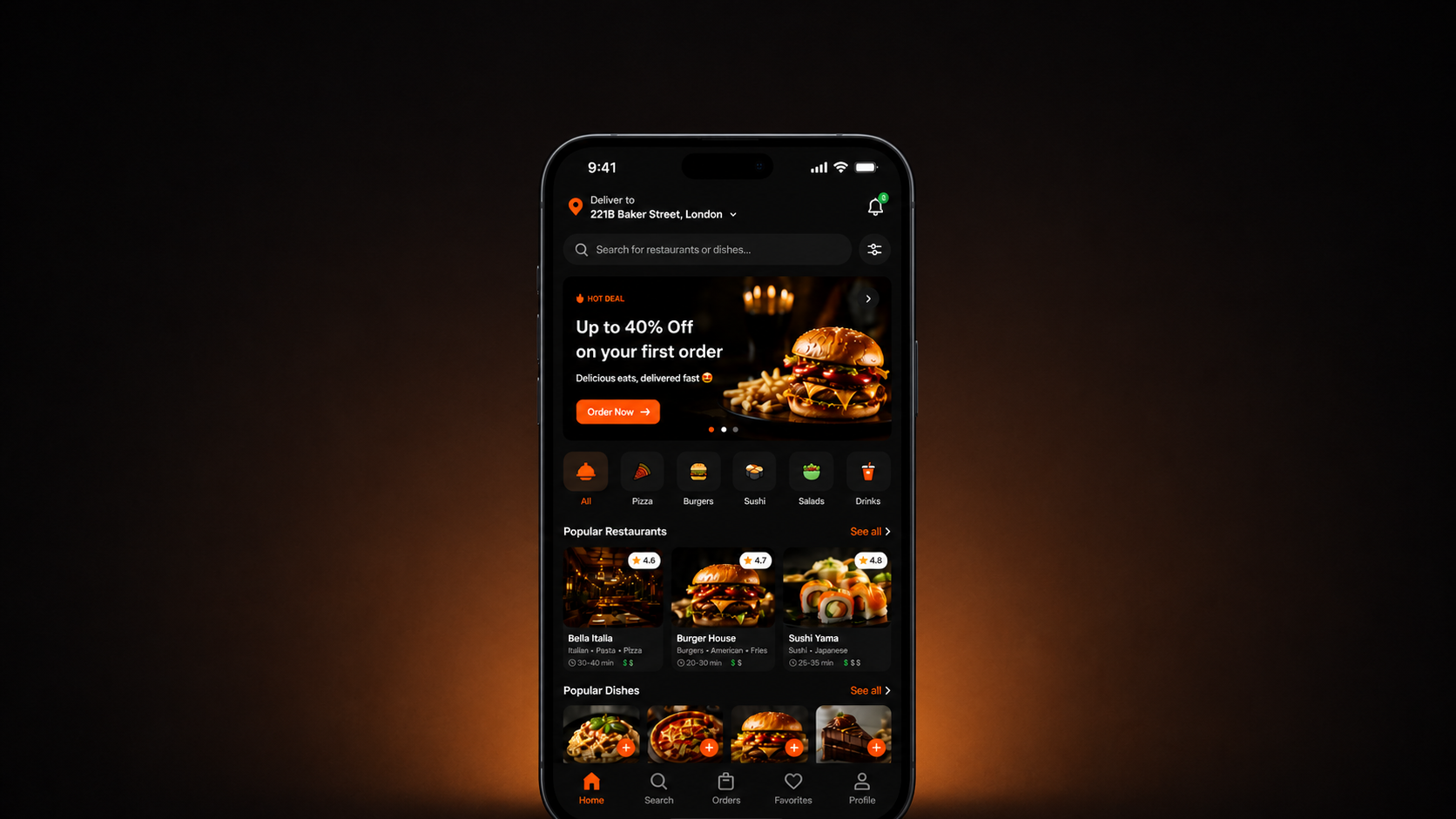

Orders, loads, rates, carriers, dispatch, tracking, exceptions and settlement.
Inbound, put-away, inventory, picking, packing, returns and dock scheduling.
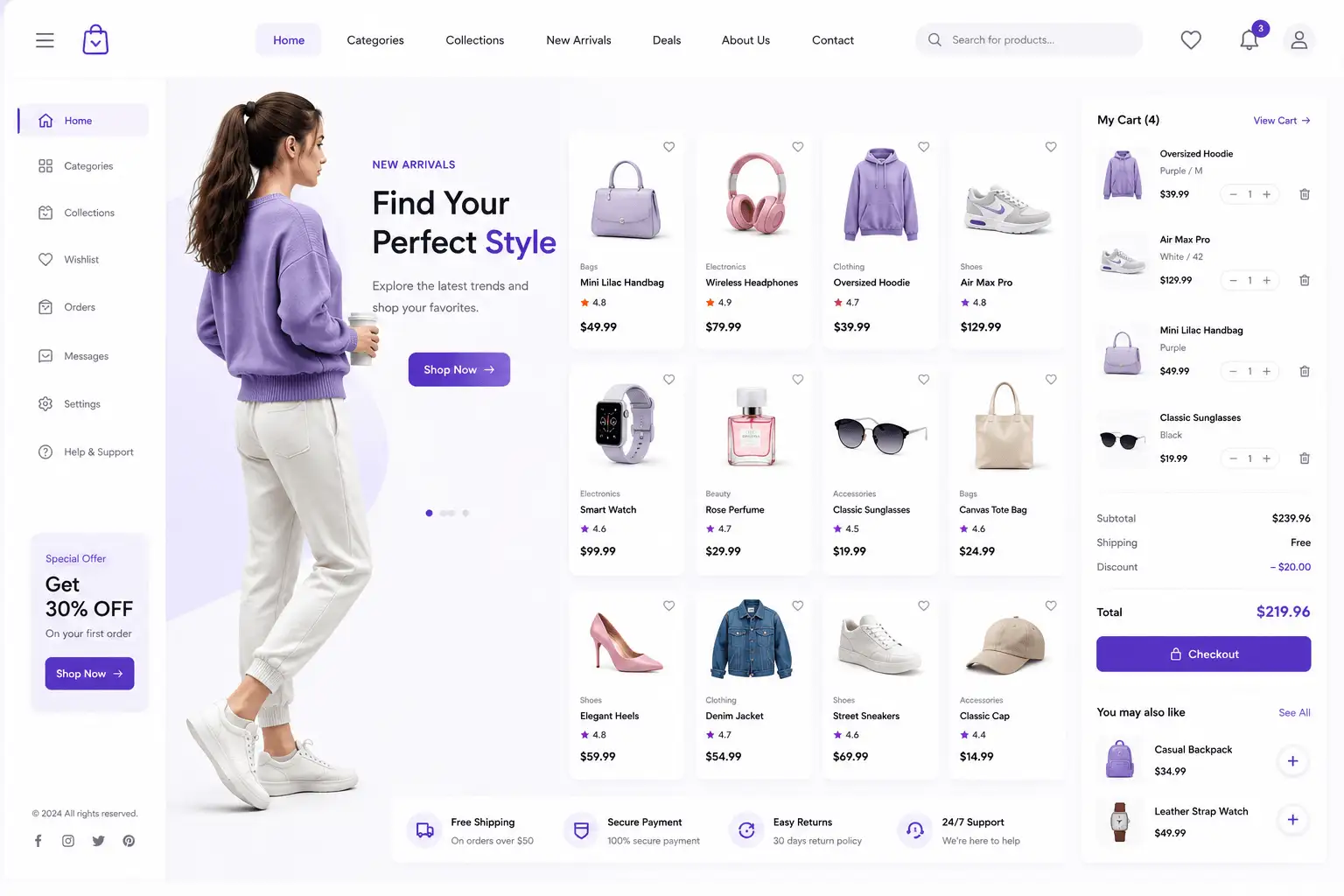
Route plans, stops, scanning, proof of delivery, payments and live notifications.
Milestones, ETA confidence, inventory signals, SLA exceptions and partner scorecards.
The strongest logistics products do more than digitise forms. They remove blind spots, shorten response time and create one operating rhythm across teams.
Unify milestones, inventory, capacity, ETAs and partner events in a role-specific view.
Prioritise exceptions before they become missed SLAs.
Trigger allocation, alerts and follow-up from business rules.
Keep carriers, warehouses, teams and customers on the same data.
Measure service, utilisation, cost and recurring failure patterns.
Every operational event should reach the right system, team and customer without manual chasing. We structure products around that end-to-end flow.
Map your operating flow →Each path is structured around a clear business outcome, not generic resource allocation.
Turn an operating idea into a validated MVP and scalable product foundation.
Replace fragile modules and manual work without risking day-to-day continuity.
Add engineering capacity, new workflows, integrations and stronger reliability.
We test critical paths, integrations, permissions, offline states, performance and operational edge cases before release.
We select architecture and tools around data velocity, device usage, integration constraints, reliability and long-term ownership.
Connect orders, rates, shipments, invoices and master data.
Exchange structured messages across enterprise logistics partners.
Use live location, geofencing, traffic and vehicle intelligence.
Run scalable event-driven and managed cloud services.
Support enterprise identity, integration and cloud operations.
Enable data, AI and large-scale analytics workloads.
Build fast dispatcher, customer and partner web experiences.
Deliver cross-platform driver and operations applications.
Power APIs, events and real-time operational workflows.
Build optimisation, analytics and AI-enabled services.
Manage dependable transactional and operational data.
Create service, cost, utilisation and partner dashboards.
Deliverables are shaped around the decisions your organisation needs to make, build and operate with confidence.
Users, roles, business rules, exceptions and success measures.
Responsive experiences for dispatch, drivers, warehouse, partners and customers.
Services, event flows, data models, integrations and deployment direction.
Quality-assured functionality across critical logistics workflows.
Contracts, mappings, dependencies, errors and implementation notes.
Cutover, monitoring, maintenance, adoption and growth roadmap.
Turn a new service or operating model into a scalable platform.
Create dependable data flow across teams and applications.
Reduce delays and give teams clearer control over daily work.
Give shippers and recipients timely, trustworthy information.
Reduce technical risk while improving speed and maintainability.
Extend internal teams with product, engineering and QA specialists.
A structured process covering discovery, operating-flow design, architecture, engineering, field validation and rollout.
Understand users, assets, service models, constraints, systems and business goals.
DiscoveryDefine journeys, rules, exceptions, integrations and product priorities.
Product & UXPlan services, events, data, security, environments and scale.
ArchitectureDeliver in releases with QA, field feedback and stakeholder review.
Engineering & QADeploy, monitor, support adoption and evolve from real operational data.
Launch & GrowthFlexible software for organisations that plan, move, store, deliver or coordinate goods across complex networks.
Multi-client operations, SLAs, billing and customer visibility.
Hub, linehaul, delivery, scanning and recipient communication.
MVPs, platform engineering and scalable product teams.
Quotes, bookings, documentation, customs events and milestones.
Inventory, fulfilment, labour, dock and dispatch operations.
Order orchestration, fulfilment, returns and customer tracking.
Inbound, plant, vendor and distribution coordination.
Condition monitoring, chain of custody and audit-ready events.
We develop transportation management systems, warehouse platforms, fleet and telematics products, freight-forwarding software, driver apps, customer tracking portals, control towers, route optimisation tools and custom supply-chain solutions.
Yes. We map users, operating flows, exceptions, integration dependencies and the smallest valuable release before creating a practical product and technology roadmap.
A focused MVP may take a few months, while enterprise platforms are usually delivered in phases. Timing depends on workflows, integrations, data migration, devices, security and rollout complexity.
Cost depends on scope, user roles, platforms, integrations, optimisation requirements, migration and the delivery model. We provide a tailored estimate after discovery.
Yes. We can improve architecture, UX, performance, integrations, cloud readiness and maintainability incrementally when a full rebuild is unnecessary.
Yes. We collaborate with operations leaders, product owners, dispatch teams, warehouse experts, compliance stakeholders and internal engineering teams throughout delivery.
Yes. TMS capabilities can include order capture, rating, load planning, carrier allocation, dispatch, tracking, exception management, freight audit and settlement.
Yes. We build receiving, put-away, inventory, replenishment, picking, packing, returns, labour and dock workflows around the warehouse operating model.
Yes. Driver apps can include route plans, navigation, barcode scanning, proof of delivery, cash collection, issue reporting, offline operation and messaging.
Yes. We can combine shipment milestones, ETAs, inventory signals, capacity, SLA risks, partner events and exception workflows in one operational view.
Yes. Modules may include quotations, bookings, consolidation, documentation, customs milestones, agent coordination, billing and customer visibility.
Yes. We design multi-organisation and role-based experiences for shippers, carriers, drivers, warehouses, partners, customers and administrators.
Yes. We use available APIs, EDI messages, webhooks, message queues, file exchange or secure custom interfaces depending on the target systems.
Yes. We can connect carrier rates, bookings, labels, tracking, status events and documentation where partner APIs or EDI connections are available.
Yes. We work with mapping, geocoding, routing, traffic, geofencing, GPS and vehicle-telematics services based on product needs.
Yes. We can design device and event flows for scanning, asset tracking, temperature monitoring, proof of custody and operational alerts.
Yes. We plan extraction, cleansing, mapping, reconciliation, validation, cutover and rollback while protecting operational continuity.
Yes. We can create a documented API and event layer so future customers, carriers, warehouses and ecosystem partners can connect safely.
We apply secure architecture, encryption, role-based access, audit logging, environment separation, secrets management and secure development practices appropriate to the deployment context.
Yes. Driver and field workflows can be designed with local storage, queued actions, retry logic and conflict handling where offline use is required.
Yes. QA covers business rules, permissions, integrations, devices, data states, network failures, performance and regression risks across priority journeys.
Yes. We design for horizontal scale, asynchronous processing, observability, caching and data patterns appropriate to expected workload and growth.
We use staged environments, automated and manual testing, release checklists, monitoring, feature controls and rollback planning appropriate to the platform.
Yes. Deliverables can include architecture, API, data, deployment, workflow, testing, support and runbook documentation based on scope.
We provide end-to-end project delivery, dedicated product teams and focused engineering, integration or modernisation engagements.
Yes. Work is organised into clear milestones or sprints with demos, decisions, risks, dependencies and next priorities visible to stakeholders.
Yes. We develop responsive web platforms, native or cross-platform mobile applications and connected backend services.
Yes. Support can cover monitoring, fixes, cloud operations, upgrades, security maintenance, enhancements and ongoing quality assurance.
Yes. We can expand the product team and architecture as shipment volume, locations, partners, markets and workflows grow.
Yes. An NDA can be arranged before detailed operational, customer, pricing or roadmap information is shared.
Share your operating model and receive a practical logistics software roadmap from AppsLoading.
Start your logistics project →