

CORRECTIVE
Fix what is broken.
Resolve defects, crashes, failed workflows and production regressions with clear validation.
AppsLoading maintains web applications, mobile apps, SaaS products and enterprise systems after launch. We combine defect resolution, preventive engineering, security and dependency care, compatibility updates, performance work, cloud maintenance, release support and controlled modernization in one measurable maintenance programme.

Dependencies age, external APIs change, user behavior grows, infrastructure drifts and quick fixes accumulate. Maintenance works best when these signals are managed as one product-health system instead of unrelated tickets.
We separate reactive, preventive, adaptive and perfective work so urgent issues do not consume the entire maintenance budget.
Resolve defects, crashes, failed workflows and production regressions with clear validation.
Refactor fragile areas, improve tests, update dependencies and address recurring causes.
Respond to browser, OS, SDK, infrastructure, API and platform changes.
Optimize speed, workflows, usability and maintainability through controlled enhancements.
Maintenance becomes predictable when every item has an impact, owner, class of service, release path and evidence of completion.

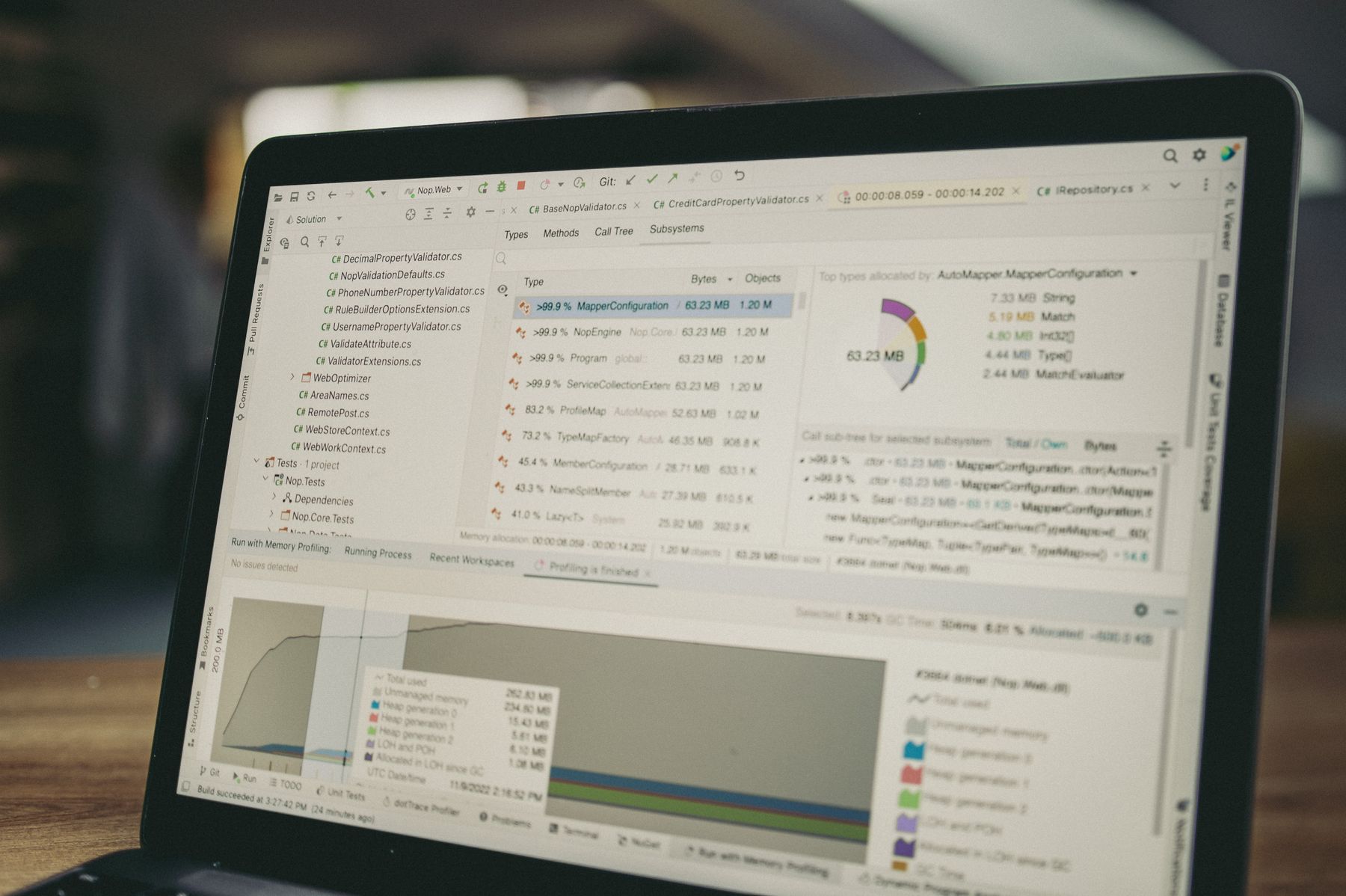
Preventive maintenance starts with useful signals. We connect error tracking, uptime, performance and workflow monitoring to ownership and maintenance action.
We keep dependencies, frameworks and runtime components visible, prioritized and upgradeable instead of waiting for a vulnerability or compatibility failure to force the change.



We trace slow behavior across frontend, APIs, databases, queues and infrastructure, then prioritize changes that improve real user and operational outcomes.
Application reliability depends on infrastructure, access, backups, deployment configuration and observability. We maintain the runtime foundation alongside product code.
Maintenance protects iOS and Android applications from ecosystem changes that can break an otherwise stable product.
Validate new iOS and Android versions before users are affected.
Update third-party SDKs, permissions and platform integrations.
Track device-specific failures and production regressions.
Prepare versioning, validation, deployment and post-release monitoring.
Every dependency upgrade, security patch, bug fix and small enhancement can introduce regression risk. We make maintenance releases deliberate and observable.

We separate urgent product work from structural risk so recurring defects, difficult releases and unsupported components can be improved deliberately.
Illustrative backlog view. Actual priorities are based on your system risk and business impact.Regression coverage turns known business behavior into executable protection. We focus automation on critical workflows, integrations and failure-prone areas first.

Some systems cannot pause for a rewrite. We combine maintenance with phased modernization so unsupported frameworks, fragile modules and manual operations can be replaced without abandoning business continuity.
Plan a maintenance-led modernization →
Protect production and document the current operating reality.
Modernize the highest-value or highest-risk component first.
Remove legacy capability only after replacement confidence is proven.
We make defect trends, release stability, security exposure, technical debt and maintenance throughput visible enough to guide engineering priorities.

We tune the operating model to product type, release cadence, user risk and technology age rather than applying one generic plan.

Releases, integrations, observability and recurring technical debt.
Compatibility, integrations, access and long-term maintainability.
OS, SDK, API, device and store-release maintenance.
Support current operations while reducing unsupported technology risk.
Choose a model based on release frequency, defect volume, operating risk, internal capacity and expected enhancement work.
Focused fixes, updates or short-term stabilization.
Recurring fixes, dependency care and preventive work.
Monitoring, releases, backlog and continuous improvement.
Consistent engineers aligned to the product and roadmap.
Runtime, environment, backup and deployment ownership.
Stability now with phased reduction of legacy risk.
Icons are self-contained so the section stays reliable even when external CDN assets are blocked.
Frontend upgrades, compatibility and product enhancements.
API, service, dependency and performance maintenance.
Backend, automation and data-application maintenance.
Enterprise upgrades, compatibility and long-term application care.
Business software and Microsoft ecosystem maintenance.
Cross-platform mobile maintenance and release support.
Cloud runtime, backup, monitoring and deployment care.
Container platform upgrades, reliability and runtime operations.
We establish product knowledge and risk first, then run maintenance as a visible recurring engineering cycle.
Architecture, code, environments, dependencies and current risk.
DiscoveryResolve urgent defects and establish critical monitoring.
StabilityBuild a prioritized maintenance and improvement backlog.
RoadmapDeliver fixes, updates, releases and preventive improvements.
EngineeringProtect functionality, compatibility, security and release quality.
QualityReview trends, retire debt and update the next priorities.
OptimizationOngoing application care across subscription products, regulated workflows, commerce, mobile applications and business-critical enterprise systems.
Recurring releases, integrations, observability and technical-debt control.
Transaction reliability, security updates and audit-sensitive change.
Compatibility, security and controlled change around critical workflows.
Storefront, checkout, integrations and peak-traffic readiness.
Legacy dependencies, integrations, role-based workflows and modernization.
OS compatibility, SDK changes, crash reduction and store releases.
Deliverables make product health, risk, priorities, completed work and future improvement visible.
Architecture, dependencies, environment, defects and active risk.
Defects, security, compatibility, debt and enhancement work.
Error tracking, uptime, alerts and critical workflow visibility.
Testing, approvals, deployment, rollback and health checks.
Completed work, incidents, trends, risks and next actions.
Preventive, performance and modernization priorities.
We combine reactive response with planned engineering so the product becomes easier to maintain instead of accumulating more risk each month.
Monthly capacity is shaped by the current product state and expected rate of change rather than a generic ticket allowance.
User, revenue and operational impact if the system is unavailable.
Unsupported frameworks, dependencies and migration constraints.
How often changes need QA, deployment and production observation.
Defect volume, debt, security issues and enhancement demand.
Web, mobile, APIs, clouds, databases and third-party integrations.
What your own engineering and operations teams already own.
Application maintenance can include bug fixing, monitoring, security updates, compatibility work, dependency upgrades, performance improvement, cloud maintenance, releases, small enhancements and ongoing technical-debt reduction.
Yes. We begin with a technical onboarding assessment covering code, architecture, environments, dependencies, deployment, documentation, monitoring and known risks.
Yes. Maintenance can cover websites, web applications, iOS and Android apps, cross-platform products, SaaS platforms and enterprise software.
Yes. We can review vulnerabilities, upgrade dependencies, apply patches, harden configuration and validate application behavior after security changes.
We assess compatibility, risk, upgrade paths and test coverage, then sequence upgrades so critical functionality remains stable.
Yes. Dependency, framework and security monitoring can be incorporated into the recurring maintenance cycle.
Yes. Monitoring can cover errors, uptime, latency, jobs, APIs, database behavior, infrastructure and business-critical workflows.
Yes. We can investigate frontend, API, database, memory, queue and infrastructure bottlenecks and convert the findings into prioritized improvements.
We combine root-cause analysis, regression coverage, refactoring, observability and preventive backlog work rather than repeatedly applying temporary fixes.
Yes. We can support planning, testing, deployment, rollback readiness, post-release monitoring and follow-up fixes.
Yes. Mobile maintenance can include operating-system compatibility, SDK upgrades, API changes, device testing and store release support.
Yes. Depending on the engagement, the backlog can include minor features, UX improvements and workflow enhancements alongside maintenance work.
Yes. Engagements can be structured as monthly maintenance, managed maintenance, dedicated capacity, cloud-focused maintenance or maintenance plus modernization.
Yes. Capacity and specialist roles can change as the backlog, release frequency, risk or product scope changes.
You retain ownership of approved code, configurations and project documentation according to the engagement terms.
Share your current stack, maintenance backlog and product risks. We will recommend a practical maintenance operating model.
Start your maintenance plan →