


Application layer
Choose Cloud Run, GKE, Compute Engine or managed services around workload behavior.
AppsLoading designs, migrates and operates Google Cloud environments for digital products, analytics platforms and AI-enabled applications. From Cloud Run and GKE to BigQuery, Vertex AI, IAM, observability, DevOps and FinOps, we build cloud foundations that teams can scale and operate with confidence.
A Google Cloud project is not the architecture. Teams still need decisions around runtime, identity, networking, data ownership, deployment, observability, resilience and cost. We design those layers together so engineering can move faster without creating an operational mess.
Choose Cloud Run, GKE, Compute Engine or managed services around workload behavior.
Separate transactional, analytical and event data with clear ownership.
Projects, IAM, secrets, service identities and network boundaries designed early.
CI/CD, metrics, logs, SLOs, alerts and cost visibility built into the platform.


Use AppsLoading for an end-to-end Google Cloud programme or a focused initiative such as a migration, GKE platform, Cloud Run workload, BigQuery foundation, AI application or FinOps review.
Landing zones, projects, networking, identity, runtime, data and operating model designed around real product requirements.
FOUNDATIONAssess, sequence and move workloads with clear dependency mapping, cutover planning and post-migration optimisation.
MIGRATEContainerised services, APIs, jobs and event-driven workloads without operating clusters.
SERVERLESSGKE platforms for teams that need Kubernetes control, multi-service workloads, policy and extensibility.
GKEIngestion, transformation, analytical models, governance, reporting and data products.
DATAModel access, evaluation, grounding, RAG, workflow integration and production AI product architecture.
AIIdentity, service accounts, secrets, network controls, logging, policy and access reviews.
SECURITYCI/CD, monitoring, logging, SLOs, incident readiness, billing visibility and continuous cost optimisation.
OPERATE
Useful for APIs, web backends, workers, jobs and event-driven services where product teams want managed scaling and simpler operations.
Cloud Run is a fully managed application platform for code and containers. We use it where teams benefit from serverless operations, fast deployment and workload-based scaling without the platform overhead of Kubernetes.
Deploy stateless services behind secure, scalable endpoints.
Run scheduled or asynchronous workloads with explicit execution behavior.
Connect Pub/Sub, storage events and application events to managed services.
Reduce infrastructure management so teams can focus on application logic.
GKE is a managed Kubernetes platform. We design it for multi-service products, complex networking, custom scheduling, advanced policy, reusable internal platforms and teams that need Kubernetes capabilities beyond a serverless runtime.
Choose Autopilot or Standard around control, operations and workload requirements.
Namespaces, services, ingress, secrets and service identities planned deliberately.
Image build, registry, deployment and release policy connected to CI/CD.
Metrics, logs, alerts, autoscaling, upgrades and failure response built in.
We structure organization, folders, projects, IAM, networks, environments and shared services so teams can grow without turning every new workload into a governance exception.
Common services, secrets, CI/CD and operational controls.
Production, staging, development and data workloads with explicit ownership and boundaries.
Labels, budgets, reporting and accountability.

We map dependencies, data movement, downtime tolerance, security controls and target architecture before moving workloads. Not every application needs the same migration pattern.
Applications, databases, integrations, traffic, dependencies and operational risk.
Rehost, replatform, containerise, move to managed services or redesign where justified.
Replication, cutover, validation, rollback and data ownership planned together.
Observe errors, latency, costs and operational behavior before decommissioning old systems.
BigQuery is a fully managed, AI-ready data platform. We design ingestion, transformation, warehouse models, governance, quality and reporting so analytics teams can move from disconnected exports to a dependable decision layer.
Batch, streaming and application events enter through controlled interfaces.
Standardise, clean and model data around business entities and metrics.
Access, metadata, lineage and quality controls improve trust.
Dashboards, data products, ML features and ad hoc analysis use the same foundation.

BigQuery · Dataflow · Pub/Sub · governance · BI · ML



We connect model access, application context, grounding, evaluation, safety, observability and cost into the product architecture. The work around the model often matters as much as model choice.
Select models around quality, latency, cost and modality.
Connect models to product data and controlled knowledge sources.
Test prompts, outputs, edge cases and acceptance criteria.
Track latency, failures, usage, safety and spend.
We design identity and access around people, workloads and service accounts. Network boundaries, secrets, logging, backups and policy are mapped to how teams actually operate the platform.
Groups, roles, service identities and workload access.
Connectivity, private access and exposed surfaces.
Remove long-lived secrets from code and deployments.
Logging, monitoring and change visibility for sensitive systems.

Cloud Monitoring and related observability services help teams understand application health and performance. We structure metrics, logs, alerts and service objectives around the behaviors that actually matter to customers and operators.
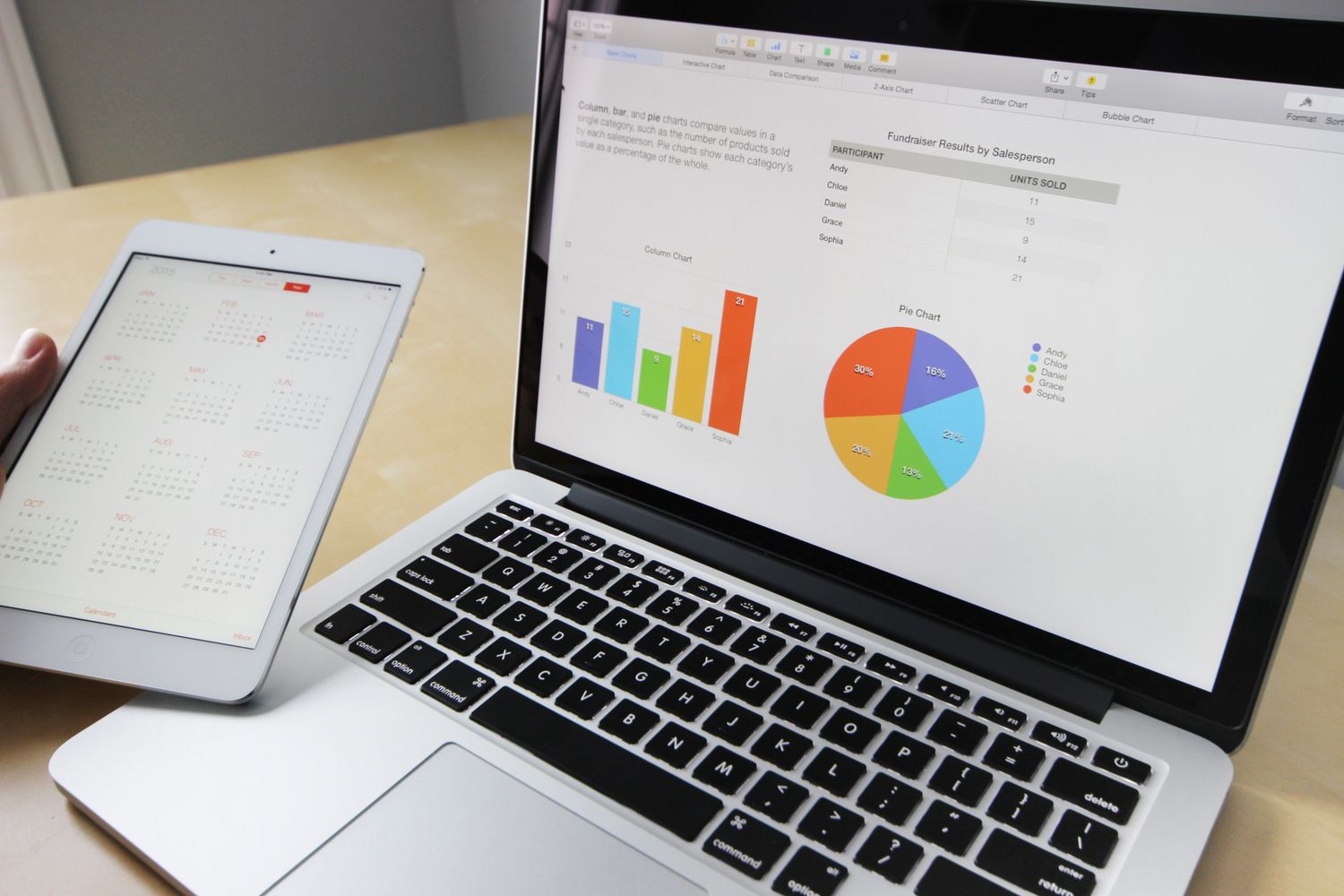
Cloud delivery works best when build, test, artifact, deployment, verification and rollback form one clear operating path.
Branch policy, review and change context.
Repeatable build with explicit dependencies.
Versioned images and trusted releases.
Environment-aware automated rollout.
Health checks, metrics and smoke tests.
Rollback, alerts and post-release learning.
We connect billing data to services, environments and business usage. Cost work includes visibility, ownership, architectural tradeoffs and continuous optimisation rather than one-off instance downsizing.
Projects, labels, billing exports and ownership make cost attributable.
Idle resources, overprovisioning and expensive architecture patterns.
Relate cloud spend to users, transactions, jobs or data volume.
Architecture and usage evolve, so cost controls need an operating rhythm.
The right design depends on product traffic, engineering maturity, data intensity, integration requirements, reliability targets and operational ownership.
Runtime, delivery, data, security and operations redesigned together.

Vertex AI, RAG, model APIs and operational guardrails.

Cloud Run, managed databases and event-driven services.
Landing zones, GKE, IAM, observability and FinOps.
Reusable patterns, automation and platform tooling.
Cloud platforms can support digital products, analytics, AI and operational systems across many industries, but the workload shape and governance model change by context.

Cloud Run, GKE, data, observability and automated delivery.

Vertex AI, analytics and controlled experimentation.

Identity, auditability, reliability and data controls.

Traffic bursts, integrations, data and customer journeys.

Standards, automation, observability and clear ownership.
The process keeps architecture, migration, security, delivery, observability and cost decisions visible from the beginning.
Review workloads, dependencies, data, users, security, traffic, cost and operational maturity.
DISCOVERYDefine landing zone, runtime, data, networking, IAM, resilience and operating model.
DESIGNImplement infrastructure as code, shared services, observability and deployment paths.
PLATFORMMove workloads in controlled waves and validate behavior against the target design.
DELIVERYTest availability, security, data, performance, recovery, alerts and cost behavior.
QUALITYImprove reliability, developer experience, spend and architecture as usage changes.
OPERATIONS
Projects, runtime, networking, IAM, data, integrations, observability and operational ownership mapped clearly.
Reusable, versioned infrastructure patterns for repeatable environments.
Dependencies, waves, cutover, validation and rollback expectations.
Build, artifact, deployment, verification and recovery paths.
People, service identities, secrets, access and audit controls.
Metrics, alerts, logs, SLOs, billing visibility and optimisation routines.

We treat cloud architecture as a product system. The design has to work for developers, operations, security, finance and the end users depending on the platform.
Services are selected around behavior, not because they are fashionable.
Reduce operational surface area where Google Cloud can own it safely.
Application, data and AI decisions are designed as one operating system.
Observability, IAM, cost and recovery are planned before the first incident.
We work across application runtimes, containers, serverless, databases, storage, data engineering, AI, networking, security, observability, DevOps and cost management depending on the workload.
Yes. We can define organization, folders, projects, IAM, networks, shared services, logging, billing structure and environment boundaries before workload migration or new product development.
Yes. We assess applications, databases, integrations and operating constraints, then define migration waves, target patterns, cutover, validation and rollback requirements.
Cloud Run is often a strong fit for web services, APIs, jobs and event-driven containers when you want a fully managed application platform without operating Kubernetes clusters.
GKE is useful when you need Kubernetes-level control, multi-service platform patterns, custom networking or scheduling, policy, or an internal container platform across multiple teams.
Yes. We compare workload type, operational ownership, networking, portability, performance, scaling, security and team maturity before selecting a runtime.
Yes. We can design ingestion, transformation, warehouse models, access, data quality, governance, analytics and reporting foundations around BigQuery and related Google Cloud services.
Yes. We can integrate model APIs, grounding, RAG, evaluation, workflow logic, application context, monitoring and cost controls into production AI experiences.
They can share governance and integration patterns, but transactional systems and analytical workloads usually benefit from explicit responsibilities and fit-for-purpose storage.
Yes. Work can include IAM structure, service accounts, secret handling, network exposure, logging, project boundaries, access review, backup and operational controls.
Yes. We can structure metrics, logs, dashboards, alerting, uptime checks and service objectives around application and infrastructure behavior.
Yes. We can review recovery objectives, redundancy, backups, failure modes, dependencies, runbooks and recovery testing based on workload criticality.
Yes. We review billing visibility, resource usage, architecture choices, environments, storage, networking and unit economics, then prioritize changes that preserve required service levels.
Yes. Support can include monitoring, incident response, security, cost optimisation, upgrades, data operations, platform maintenance and planned improvements.
Your team retains ownership of the project code, infrastructure configuration and documentation created for the engagement, subject to the agreed project terms.
Share your current environment, product roadmap and cloud goals. We will recommend a practical Google Cloud architecture and delivery plan.
Start your Google Cloud project →